Choosing desert boots that handle spring rain across Australia
Spring across Australia arrives with a deceptive softness. The frost of July and August eases, gardens fill with wattle, and the southern capitals shake off the chill just in time for one of the more unpredictable weather windows of the year. In Melbourne, locals joke about four seasons in a single day, and the first week of September often delivers that promise. Sydney brings humid mornings and sudden coastal showers. Adelaide swings between warm afternoons and cool evenings. Brisbane shifts from dry winter to the first subtropical drizzles, while Perth begins its long, slow warm-up after a wet winter.
This is precisely the season when the wardrobe question shifts from heavy winter layers to transitional pieces, and footwear becomes the trickiest decision. A pair of unisex suede desert boots can carry someone through these shifts beautifully, provided the wearer understands what suede asks of them and how to keep the leather happy when the clouds break.
Why desert boots suit the Australian spring
The chukka silhouette originated in the Egyptian campaign of the 1880s and has remained broadly unchanged for over a century because the proportions simply work. Two or three pairs of eyelets, a low ankle, an uncluttered vamp, and a crepe or rubber sole create a shoe that sits between a sneaker and a proper boot. That middle position is exactly what an Australian spring demands. Mornings can be cool enough for socks and trousers, while afternoons in Brisbane may invite shorts and a linen shirt.
For Australians living in climates where September still delivers real rain, the desert boot's ankle height offers more protection than a loafer without the bulk of a full work boot. Water beads off the upper edge of the suede rather than soaking in from below. When paired with cropped trousers or cuffed jeans, the boots also avoid the wet-hem problem that plagues full-length cuts during a Hobart downpour or a Sydney southerly buster.
The relationship between suede and water
Suede behaves differently from smooth leather when it meets moisture, and this is worth understanding before the first shower of September hits the pavement. Suede is made from the underside of the hide, which gives it that soft, brushed nap. The fibres stand up loosely, and when water lands on them, it tends to flatten the nap and leave a darker patch. With repeated exposure, those patches can stiffen and the leather can lose its suppleness.
None of this means suede desert boots are unusable in wet weather. A good quality desert boot from heritage makers is built on a sturdy last, often with a Goodyear-welted construction that allows the shoe to be resoled after years of wear. That structural integrity is the foundation that lets the suede upper handle a little rain without falling apart.
Australians who have worn suede through a Melbourne spring know the rhythm. A light drizzle will darken the nap and then dry back to its original shade if the boot is allowed to dry naturally at room temperature. Prevention is far easier than restoration, and a simple spray-on protector applied before the season changes can carry a pair through months of light rain.
Selecting suede that handles the local climate
Suede is not a single material, and the differences between them matter when the forecast shows rain for the next ten days. The tightest, most densely woven suede tends to resist water better than a loose, fluffy nap. Reverse suede, sometimes called rough-out, has a slightly tougher face that holds up well to wet pavements.
Colour choice also plays a role. Darker shades such as chocolate, ink, or charcoal will hide the temporary darkening that comes with damp, while lighter sand or stone tones show every splash. For Australian shoppers who live in regions where September rain is a near-certainty, a darker pair often proves more forgiving across the working week.
Construction details to look for include a storm welt, which helps keep water from seeping into the join between upper and sole, and a heel broad enough to keep the foot stable on slick footpaths. Most heritage makers favour leather linings because they mould to the wearer over time, and that comfort is part of the long-term value.
Caring for suede through wet weeks
A small care routine extends the life of any suede desert boot through an unpredictable spring. The tools required are modest: a suede brush with brass or nylon bristles, a clean cloth, a suede eraser, and a quality water-repellent spray. After a wet outing, the boots should be allowed to dry slowly at room temperature, away from direct heat, which hardens the leather and cracks the nap. Stuffing the toe with paper helps the boot hold its shape.
For Australians who live in particularly damp pockets such as the Dandenong Ranges, parts of Tasmania's north, or the subtropical edges of southeast Queensland, a monthly application of protective spray creates a useful buffer against the worst of the weather. The spray does not make the boots waterproof, but it slows the absorption of water enough to walk from car to office without leaving a mark.
The repair and resoling options available through cobblers in capital cities also matter. A pair of well-made desert boots can last a decade or more if the soles are replaced when worn. In Melbourne's inner suburbs, in Sydney's Surry Hills, and around Adelaide's central market, independent cobblers continue to offer this service for heritage boots, which adds long-term value to the original purchase.
Styling desert boots for rainy spring days
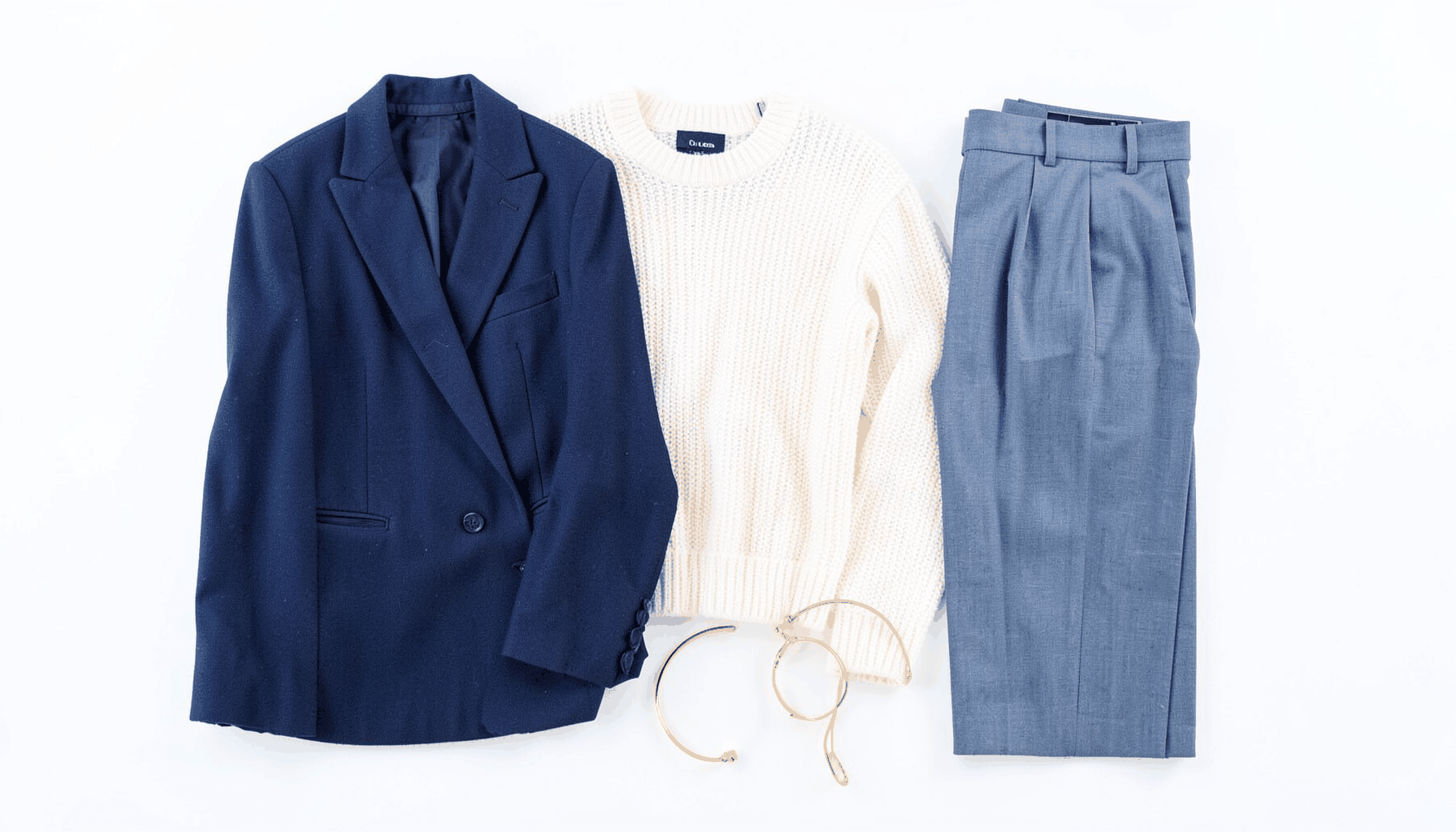
The desert boot's neutrality makes it unusually easy to dress for wet weather without looking like someone who has given up. Tailored trousers in a wool or wool-blend fabric hold their line better than cotton when the humidity climbs, and a slightly cropped length sits well above the boot's ankle. Raw selvedge denim is a natural partner, particularly when cuffed once to show the boot's profile clearly.
Layering above the boots also helps. A waxed cotton jacket sheds the kind of light rain that September brings to coastal cities, and the texture pairs beautifully with the matte nap of suede. A trench handles heavier bursts, particularly in Melbourne where a midday shower can arrive with little warning. Knits in merino or lambswool keep the upper half comfortable when the temperature dips in the evening.
Accessories finish the look. A simple umbrella, a leather tote or canvas carryall, and a scarf in a season-appropriate shade round out a look that works from a Brunswick café to a boardroom in the Sydney CBD. The aim is harmony rather than statement.
Where Australian weather tests footwear most
Australia's spring rain does not fall evenly, and some regions are tougher on footwear than others. Melbourne's spring is famously fickle, with cold fronts sweeping across the bay and dropping rain on the city without much notice. Hobart shares that volatility, with sudden showers rolling in from the Derwent. Sydney's coastal showers arrive in shorter, sharper bursts, often with wind. Brisbane's humidity in September can feel damp even when no rain is falling.
Perth sits in a different rhythm. The wet winter ends and spring tends to be drier, though early morning dew can still catch a walker out. Adelaide's Mediterranean climate gives it some of the gentlest spring weather of the capitals, with rain often limited to a handful of wet days. For shoppers in any of these cities, the decision comes down to how much time will be spent outside.
Regional Australia adds other considerations. Country towns in Victoria and New South Wales often have unsealed footpaths and dewy grass that soak the lower part of a shoe within minutes. The tropical north experiences heavier spring storms, which may push suede desert boots out of their comfort zone. Knowing the local pattern helps avoid disappointment.
Building a versatile wardrobe around one pair
The desert boot's strength lies in its ability to anchor a small, considered wardrobe rather than sit among many louder pieces. A pair in a dark, neutral shade will work with most of what an Australian wardrobe already contains: tailored trousers, denim, chinos, shorts in warmer climates, and a range of knits and outerwear.
The pieces that pair naturally with desert boots share a similar sensibility. Wool overcoats in navy or charcoal, cotton shirting in earthy shades, knitwear in merino or cashmere, and trousers that sit cleanly above the ankle. Together, they form a wardrobe that travels well from a workday in the city to a weekend in the hills, and from a quiet dinner to a long walk along the Yarra or the harbour foreshore.
This kind of intentional dressing suits the way many Australians are now shopping: less, better, and with pieces that last. A pair of well-made desert boots, looked after through the spring rain and beyond, becomes part of that longer story. The boots age with the wearer, the suede develops a personal patina, and the silhouette continues to work even as the trends around it shift.
Qualities to look for when choosing a pair
- A Goodyear-welted or similarly robust construction that allows resoling
- Dense, tight suede with a short, even nap in a forgiving darker shade
- A storm welt or visible stitching detail that lifts the upper away from the sole
- Leather lining that moulds to the foot over time
- A sole with enough grip for wet footpaths and tiled floors
Habits that keep suede desert boots in good shape
- Brush lightly after each wear to lift the nap and remove surface dust
- Apply a water-repellent spray at the start of spring and again mid-season
- Dry slowly at room temperature, away from direct heat sources
- Use shoe trees or paper when storing to hold the shape
- Visit a cobbler for sole replacement when the tread begins to wear
A reliable pair of unisex suede desert boots handles an Australian September with grace, provided the wearer meets the leather halfway. Browse the Focarth edit to find a pair that suits the local climate and the wardrobe already in the closet, and step into spring with footwear that will keep working long after the rain has passed.