a guide to women's merino wool base layers for city winter
Australian winters are not the deep-freeze affairs of northern Europe, yet they pose a particular wardrobe challenge that visitors often underestimate. A Melbourne morning can begin at four degrees and climb past fourteen by mid-arvo, while an afternoon shower sweeps in off Port Phillip Bay and tips the temperature back down before the evening tram home. Sydney, despite its mild reputation, throws a sharp chill across the harbour at sunrise and again after sundown, especially in the elevated streets of Paddington or along the headlands near Bondi.
Hobart, by contrast, settles into a proper, sustained cold through June and July. In every case the same wardrobe problem appears: stepping from heated offices, crowded trains and air-conditioned shopping centres back out into cold wind within the same hour. Dressing for this kind of environment calls for something smarter than a heavy jumper and a scarf.
Merino wool answers that call in a way that cotton, polyester and acrylic never quite manage. The fibre comes from a breed of sheep originally refined on this continent, and Australian producers still lead the world in superfine grades. This guide walks through how to pick the right merino base layer for a southern-hemisphere city winter, from fabric weight and silhouette to care and pairing with what already lives in the wardrobe.
why merino suits variable urban weather
Merino's structure is built for the kind of in-and-out movement that defines a typical Australian day. Each fibre has a natural crimp that creates millions of tiny air pockets, holding warmth without weight, and the fibre surface releases moisture vapour rather than absorbing it the way cotton does. That is why a fine merino crew feels comfortable stepping out of a heated café into a brisk Collins Street crosswalk, then back indoors again an hour later.
The fibre's origin matters here too. Most of the world's superfine merino is still grown in New South Wales and Tasmania, and the country has a long tradition of producing wool measured in microns rather than just bulk. Local brands and international makers that source Australian wool tend to perform better in the temperature range most city dwellers actually experience: roughly five to eighteen degrees, with humidity rising after rain.
There is also the practical question of freshness. A merino top worn under a knit on a Tuesday morning can be aired and worn again on Thursday without a wash. For anyone whose day runs from a tram commute through a CBD office and on to dinner in Fitzroy or Newtown, that resilience removes a layer of laundry anxiety. Synthetics cling to scent and hold sweat against the skin; merino lets the body breathe and recovers overnight on a chair back.
fabric weights: 150, 200, 260 and 360 explained
Merino base layers are usually described by their weight in grams per square metre, and understanding those numbers is the fastest way to choose well. Fabrics around 150 to 180 gsm are the lightest: feather-soft, often translucent, designed to disappear under a silk shell or a fine knit. They suit a Sydney winter where the temperature rarely dips below single digits, and they pair easily with a sleeveless dress under a wool coat for evening events.
The 200 gsm bracket is the everyday workhorse. It has enough body to be worn alone under a cardigan at the desk, enough warmth to take the chill off a Melbourne July dawn, and enough drape to tuck into trousers without bunching. Most women building a first merino capsule will wear 200 gsm pieces more than any other weight.
Heavyweight options between 260 and 360 gsm are aimed at genuine cold: Hobart mornings near the waterfront, weekend trips into the Adelaide Hills, or early starts before the office heating kicks in. They are also useful for layering under a structured coat rather than a soft jacket, where a thinner base would leave a gap of cold air. Few city wardrobes need more than one piece at this weight, but the one piece earns its keep across the season.
silhouettes: crew, henley, zip-neck and turtleneck
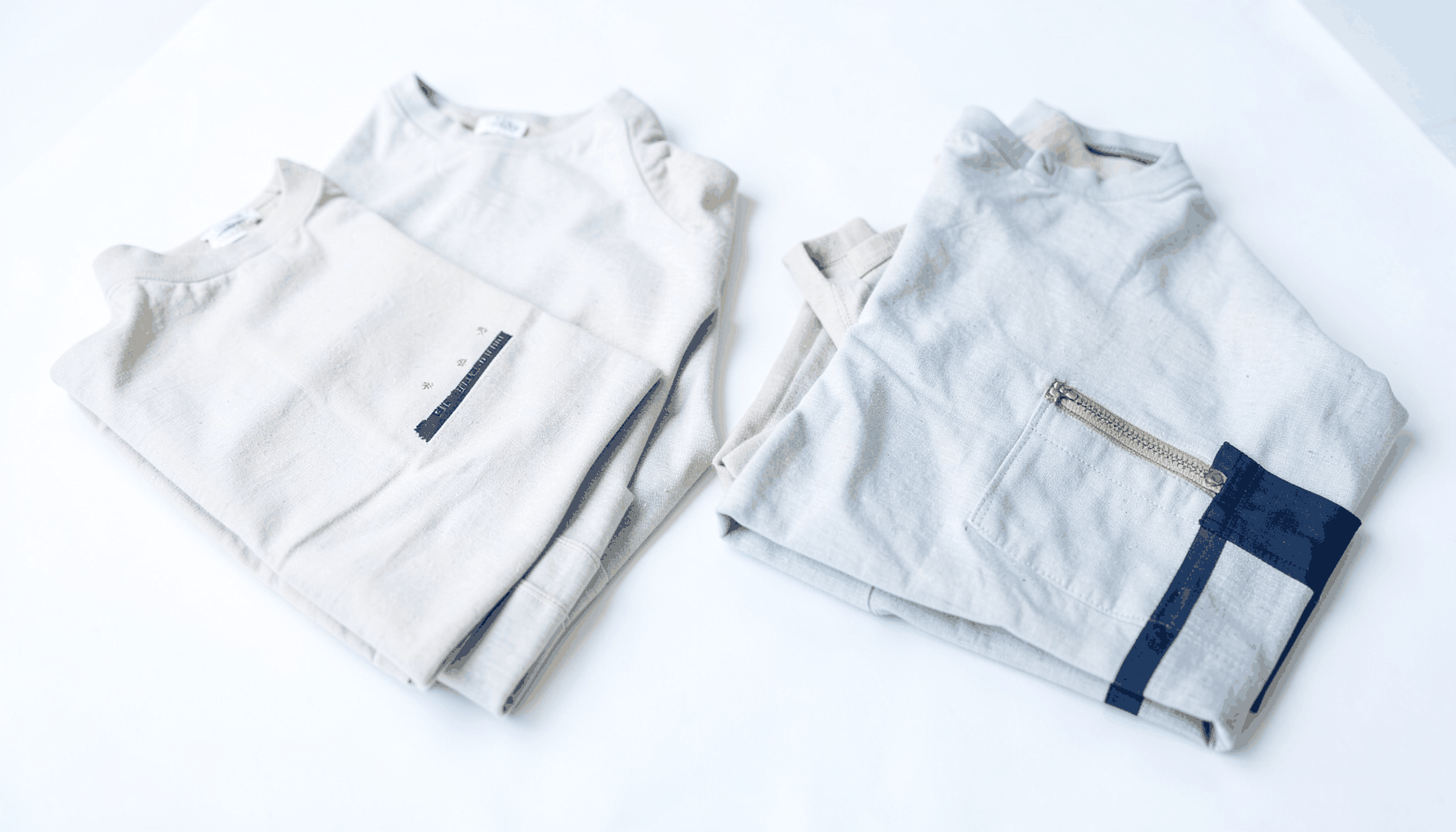
A crew-neck long-sleeve is the most flexible starting point. The neckline sits low enough to hide under a button-down shirt, high enough to keep a draft off the collarbones when worn alone, and the shape works with nearly every earring or hairstyle. In a neutral tone like oat, charcoal or navy it becomes a quiet anchor for the rest of the outfit.
Henleys and zip-necks add a layer of control. A short zip lets a wearer vent warmth when stepping from a heated train carriage onto a windswept platform at Southern Cross, and a henley's button placket gives a softer visual texture under a sweater. Both are worth considering for anyone who walks or cycles to work rather than driving.
Turtlenecks deserve a separate mention. A fine merino turtleneck, especially in black or deep brown, can stand in for a scarf on a chilly walk across the Sydney Harbour Bridge or through the Tan in winter. It also solves the perennial problem of a gap between collar and coat. Sleeves should sit at the wrist without riding up; length should fall below the hip so it stays tucked when arms are raised.
| weight (gsm) |
best use |
typical australian conditions |
layering role |
| 150–180 |
under silk, fine knits, evening dresses |
sydney winter, mild melbourne days |
under layer, next to skin |
| 200 |
everyday office and weekend |
most of melbourne, perth, brisbane winter |
base or solo wear |
| 260–280 |
cold commutes, alpine weekends |
hobart, adelaide hills, canberra mornings |
base or mid-layer |
| 360+ |
deep cold, low-activity days |
mountain travel, very cold offices |
standalone or heavy mid-layer |
fit, layering strategy and the two-layer rule
Merino works best when it sits close to the skin without compressing the body. A base layer should follow the line of the torso, with enough ease across the chest and shoulders to move freely, but not so much room that cold air pools inside. Sleeves that flare at the cuff let cold in; cuffs that grip slightly hold warmth in.
The two-layer rule keeps things simple: a merino base plus one other insulating piece, topped with a windproof or wool overcoat as needed. Wool-over-wool performs particularly well because the fibres manage moisture together, whereas a cotton T-shirt underneath a wool jumper tends to feel damp by mid-morning. For a CBD office without a strict dress code, a 200 gsm crew under a hopsack blazer and over an oxford shirt is enough for almost any Melbourne day.
Footwear and accessories matter too. A merino base layer does little for the legs, so wool trousers or lined jeans carry the lower half of the outfit. A cashmere or merino scarf, light leather gloves, and a wool felt hat complete the system without adding bulk to a bag that is already carrying a laptop through peak-hour crowds.
looking after merino so it outlasts a single winter
Merino is more resilient than its reputation suggests, but it does reward a small set of habits. Most pieces only need washing every five to seven wears; airing on a chair or hanger overnight removes light odour and lets the fibre reset. When washing is due, cold water, a wool-specific detergent and a mesh laundry bag protect the surface from agitation.
Drying is where most damage happens. Tumble dryers shrink merino irreversibly, even on low settings. Pieces should be reshaped while damp and laid flat on a towel, away from direct sun or a heated rack. Once the season ends, storage matters: clean pieces folded in breathable cotton bags with cedar blocks keep moths at bay, since moths feed on the keratin in wool rather than on synthetic fibres.
When a base layer is approaching the end of its useful life, the signs are easy to read:
- the surface has thinned and become slightly translucent when held to the light
- cuffs and hem no longer sit flat against the skin and have stretched out of shape
- small holes appear near the seams or under the arms
- the fabric pills heavily across the chest or along the sides after a single wash
- the colour has dulled and the piece feels less soft against the skin than a new one
Catching these early means replacing one piece before a whole drawer of tired tops needs refreshing at once. A handful of habits, however, shorten the life of merino far faster than wear ever does. Avoiding them is the cheapest part of caring for the fabric.
- tumble drying on any heat setting, which felts the fibres
- hanging wet merino on a line, which stretches the shoulders out of shape
- storing pieces in plastic bags over summer, which traps moisture and invites mildew
- using fabric softener, which coats the fibres and reduces breathability
- washing after every single wear, which wears the surface faster than airing ever would
brands worth tracking on the local market
The Australian merino market is unusually rich because of the country's wool heritage, and several makers have built strong reputations for city-appropriate base layers. New Zealand-owned Icebreaker pioneered the modern urban category and remains widely stocked. Its 200 gsm range, available through local outdoor retailers and the brand's Australian website, covers most daily needs.
Smartwool, a US brand with strong Australian distribution, offers technical cuts that suit cyclists and commuters. For a softer, more tailored drape, the Japanese label Batoner and the British heritage maker Johnstons of Elgin produce finer-gauge knitwear that works as a base layer under tailoring. Australian specialty stores that focus on slow fashion and durable materials often carry Pendleton blankets and knits, which sit more on the outerwear end of the spectrum but pair naturally with merino underneath.
Within Australia, shoppers can find merino base layers through several reliable channels. Country Road and RM Williams stock merino in their seasonal collections, though often at premium prices for finer cuts. Specialty outdoor stores in capital cities carry performance brands, while local online retailers focused on heritage wardrobes offer curation that mainstream chains lack. Price typically scales with micron count: 17.5-micron pieces from heritage mills cost more than 19-micron performance knits, but feel softer and last longer with care.
pairing base layers with what already hangs in the wardrobe
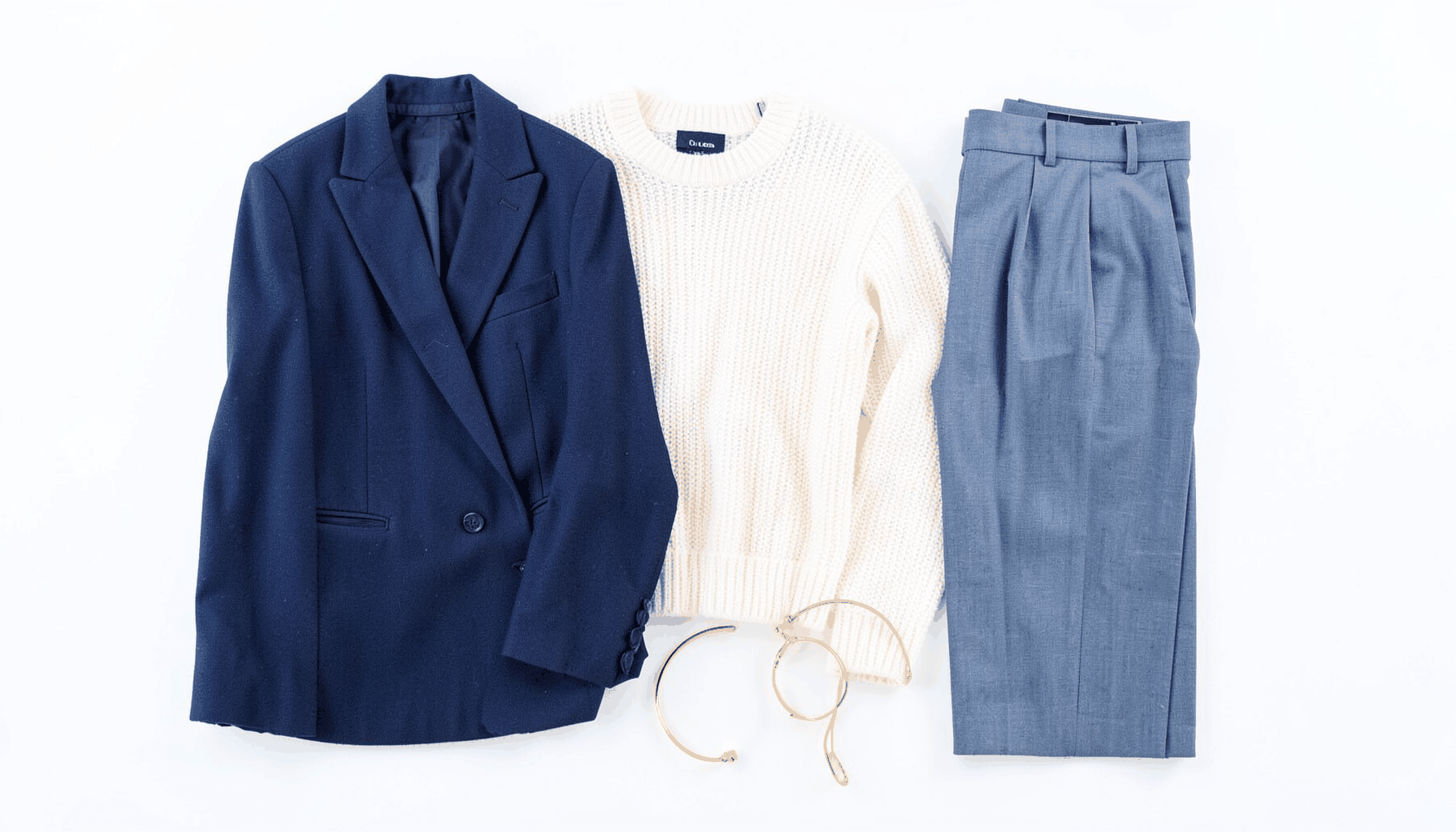
The best reason to invest in merino is that it slips into an existing wardrobe without demanding new purchases. A charcoal 200 gsm crew worn under a striped oxford and a navy hopsack blazer handles a Brunswick breakfast meeting and a tram ride into the city without overheating. The same top, swapped under a heavy fisherman-knit sweater on a Sunday, sees a wearer through a walk along the Yarra or a long lunch in Surry Hills.
Weekends open up more relaxed combinations. A fine merino turtleneck under a flannel overshirt, paired with selvedge denim and suede desert boots, transitions easily from a morning in Fitzroy to a coastal drive down the Great Ocean Road. For evenings, a 150 gsm long-sleeve under a slip dress and wool overcoat keeps a summer dress in rotation through the cooler months, particularly useful for the weddings and events that fill the Australian winter calendar.
The aim is always restraint. Two or three well-chosen base layers in colours that match most of the existing wardrobe outperform a drawer full of trendy knits. Once the rotation is in place, the daily question of what to wear through a fickle Australian winter becomes a quiet, repeatable answer rather than a daily puzzle.
Build the rotation slowly and care for each piece as outlined above, and a small set of merino base layers will carry an Australian city through five winters or more of cold commutes, café mornings and unexpected showers. Start with one 200 gsm crew in a neutral shade, see how it performs across a week of trams, offices and evenings, and add a second piece once the value is clear. Browse the women's merino edit at Focarth to find a base layer that suits your winter routine.