How to Select a Quality Wool Beret for Cool Weather
A wool beret can add warmth and character to a winter wardrobe without the bulk of a heavy beanie. Its appeal lies in the balance between comfort and shape: a well-made beret keeps the ears and crown warm, sits neatly with a coat, and works with casual denim as easily as tailored wool trousers.
For Australian wardrobes, the right choice depends on the climate where you live. A beret that feels ideal on a crisp morning in Hobart may be too warm for a mild Sydney afternoon, while the wind around Melbourne’s laneways or the Blue Mountains can make a lightweight hat feel entirely practical. Fibre, construction, fit, and care all deserve attention before you buy.
Start With the Wool Fibre
The fibre content is the clearest indication of how a beret will feel and perform. Pure wool offers natural insulation, breathability, and moisture management. It can keep your head warm in cool air without creating the clammy sensation that often comes with synthetic fleece. Merino wool is especially soft and comfortable for people who dislike prickly textures.
A wool blend is not automatically inferior. Nylon or cotton can add strength, help the beret hold its shape, or make it easier to wash. The important point is proportion and purpose. A small amount of synthetic fibre may improve durability, while a very high acrylic content may deliver the look of wool without its temperature regulation or longevity.
When checking a product description, look for:
- Wool listed as the main fibre rather than a minor component
- Merino or fine wool if you have sensitive skin
- A dense, even knit or felted surface
- Clear information about lining, stretch, and care
- Fibre details that comply with Australian product labelling expectations
The finish matters as much as the label. Run your fingers over the fabric when possible, or study close-up photographs online. Quality wool should appear consistent, with no thin patches, loose tufts, or uneven areas. A lightly brushed surface can feel luxurious, but excessive fuzz may indicate fibres that will pill quickly.
Assess Fit Before Style
A beret should sit securely without squeezing the forehead or leaving a deep mark around the head. Measure the circumference where the hat will rest, usually just above the eyebrows and ears, then compare that measurement with the brand’s size guide. “One size fits most” can be useful when the beret has gentle stretch, but it should not replace checking the actual dimensions.
The crown should have enough room to create the characteristic relaxed shape. If it is too shallow, the beret may perch awkwardly and expose the ears. If it is excessively generous, it can collapse over the face or slide backwards whenever you move. Try positioning it slightly to one side, straight across the crown, and with the edge close to the hairline before deciding whether the shape suits you.
A comfortable wool beret should meet these practical tests:
- It stays in place when you turn your head
- The band rests evenly without pinching
- The ears receive useful coverage in wind
- The crown keeps its shape after several adjustments
Hair volume affects fit too. Someone with thick curls or a full fringe may need a larger circumference than someone with fine, close-cut hair. If you wear glasses, check that the lower edge does not press against the frames or create an uncomfortable fold above the ears.
Look Closely at Construction
Construction separates a dependable winter accessory from a decorative novelty. On a knitted beret, inspect the tension of the stitches and the finishing around the opening. The fabric should not have dropped stitches, loose ends, or abrupt changes in density. Ribbing at the band should recover after stretching instead of remaining loose.
Felted berets require a different inspection. Their surface should be compact and even, with a firm but flexible hand. Hold the beret by the edge and see whether it returns to its original shape. A quality felt hat can soften with wear while retaining enough structure to avoid looking limp. Seams, internal binding, and any small stem or button should be firmly attached.
The opening is particularly important. It carries much of the tension during wear, so poorly finished edges can curl, stretch, or irritate the skin. A discreet elastic insert or carefully knitted band may improve comfort, though a strong elastic that digs into the head is a warning sign. If the beret is lined, check that the lining lies flat and does not bunch inside the crown.
Construction also affects packability. A soft knitted style can be rolled into a tote for a chilly evening, while a firmer felt design may need to be placed flat or stored on a shelf. Choose according to how you travel and where the beret will live between wears.
Match Warmth to Australian Weather
Australian winter is not a single experience. In Hobart, Canberra, and the Victorian high country, a dense wool beret can be a practical part of daily outerwear. In Melbourne, it may suit cold mornings, tram stops, and windy walks, especially when paired with a wool overcoat. In Sydney, Brisbane, or Perth, a lighter knit often provides enough warmth for short spells of cool weather.
Think about wind as well as temperature. Coastal air can make a mild day feel sharper, while a dry inland morning may begin near freezing and become bright by lunchtime. Natural wool is useful in these changing conditions because it insulates while allowing some heat and moisture to escape. A thick, fully lined beret may feel excessive when the sun is strong.
A hat also needs to make sense with the rest of your winter clothing. If you already wear a heavy scarf, padded coat, and high-neck jumper, choose a beret with moderate volume so your outfit remains balanced. If your wardrobe is built around a waxed jacket, overshirt, or lighter trench, a denser felted style can provide welcome warmth without adding another bulky layer.
Australia’s strong ultraviolet light is worth remembering even in winter. Wool offers some physical coverage, but a beret is not a substitute for sunscreen or broader sun protection during long outdoor periods. For a Saturday morning market, a dog walk, or an afternoon at the footy, comfort and coverage should work together.
Choose a Colour That Earns Its Place
The most useful colour is one that works with the clothes you already reach for. Charcoal, navy, camel, oatmeal, and deep olive combine easily with denim, brown leather, black boots, and neutral outerwear. A dark green or burgundy beret can add colour while remaining restrained enough for regular wear.
Consider your hair and complexion as well. Strong contrast can make the hat a clear focal point, while a close tonal match creates a quieter, polished effect. There is no requirement for a beret to match your coat exactly; repeating a shade found in your scarf, shoes, or bag is often enough to make the outfit feel deliberate.
Shape matters alongside colour. A traditional flat beret creates a clean, graphic outline, while a roomier model gives a softer, more relaxed impression. Some berets are designed to be worn tilted, but the best options allow several placements. If you prefer understated style, look for minimal branding, a simple edge, and a crown that does not rely on excessive slouch.
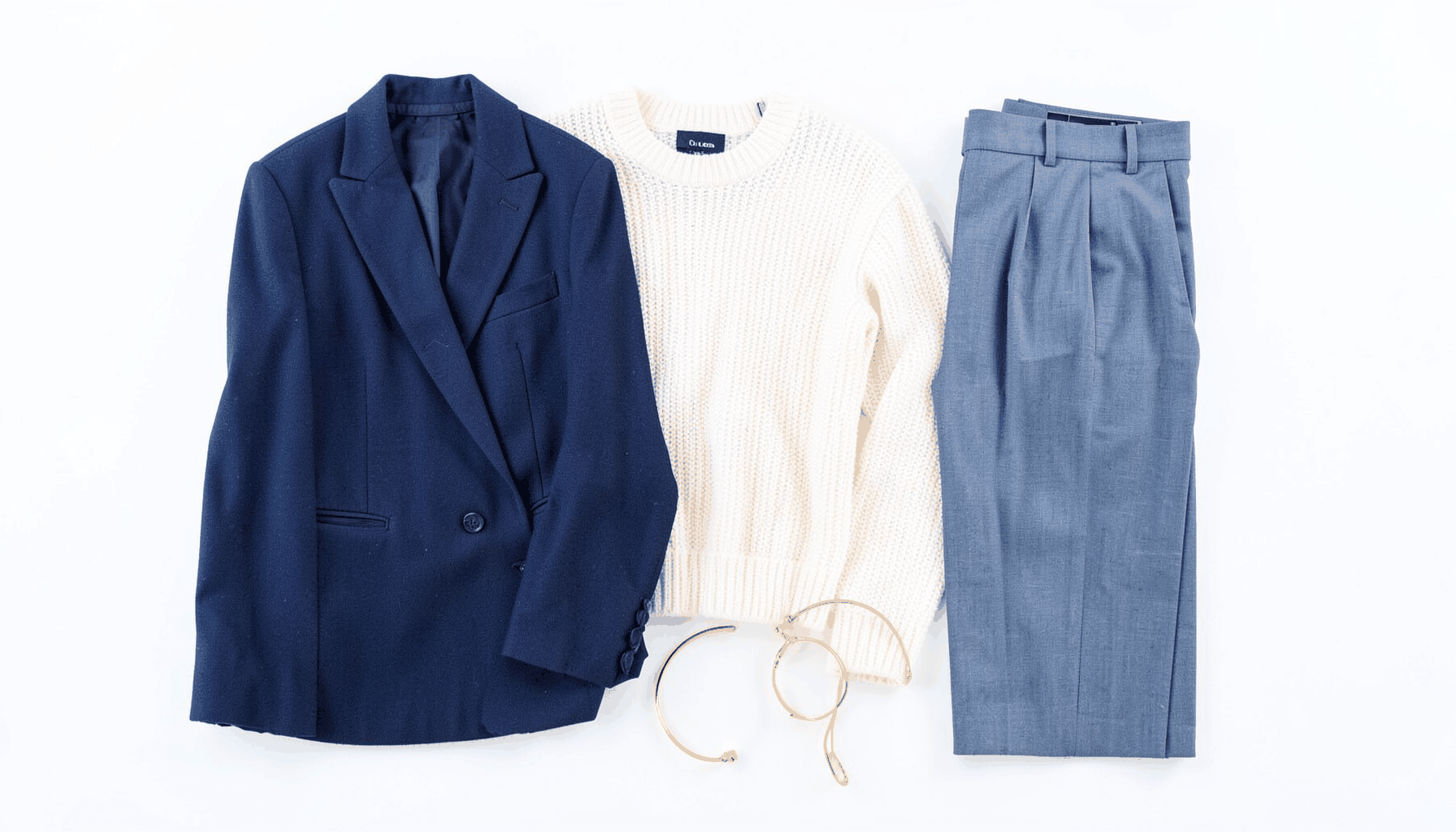
For a considered selection of clothing and accessories, browse Focarth’s collection alongside the rest of your wardrobe. A beret has more value when it complements durable coats, practical footwear, and pieces you will wear across several seasons.
Consider Texture and Everyday Comfort
Texture changes the way a beret feels during a full day. Fine merino is a strong choice for direct contact with the forehead, while coarser wool may be more comfortable over hair or a thin cotton cap. If you are sensitive to lanolin or rough fibres, prioritise a smooth knit, a soft lining, or a wool blend designed for next-to-skin wear.
Weight is another useful measure. A thick beret may feel reassuring in a cold regional climate, but it can become tiring when worn for hours. A lighter style may be better for commuting, travel, and indoor-outdoor routines. If you move between a heated office, a café, and the street, moderate warmth is usually more versatile than maximum insulation.
Pay attention to pressure points around the temples and behind the ears. Try moving your jaw, turning your head, and wearing glasses with the hat if you can. Online shoppers should read reviews for comments about tight bands, stretching, pilling, and whether the colour matches the product photographs. Australian retailers should also provide clear returns information, which is useful when sizing varies between brands.
A good beret should feel almost unremarkable after a few minutes. You should notice the warmth and shape, not a scratchy band, shifting crown, or persistent pressure. Comfort is what turns an attractive accessory into a reliable part of a winter wardrobe.
Care for Wool So It Lasts
Wool responds well to gentle, consistent care. Follow the manufacturer’s instructions first, since knitted and felted berets can require different treatment. Many should be hand washed in cool water with a wool detergent, then pressed lightly in a towel to remove moisture. Avoid twisting, wringing, or hanging the wet beret, as these actions can stretch the fibres and distort the crown.
Dry the beret flat in its intended shape, away from direct heat and strong sun. A heater, tumble dryer, or hot windowsill can cause shrinkage and weaken the natural fibres. If the hat loses a little structure, reshape it while damp rather than attempting to iron it. Steam may help some felted styles, but it should be used carefully and according to the maker’s guidance.
Between wears, give the beret time to air. Store it flat or loosely supported instead of crushing it beneath shoes or heavy knitwear. Cedar storage or a breathable cotton bag can help deter pests, especially in wardrobes that remain closed for much of the year. Avoid plastic bags, which can trap moisture and create an unpleasant smell.
Pilling does not always mean poor quality; friction from rough coats, backpack straps, or seat headrests can create small bobbles on any wool fabric. Remove them gently with a suitable comb and avoid pulling fibres by hand. Regular airing, careful storage, and restrained washing will do more for longevity than frequent cleaning.
Buy for Repeated Wear
A quality beret should have a clear role in your wardrobe. Consider whether it will accompany a work coat, weekend denim, a rain-resistant jacket, or a smart evening outfit. The ideal choice is versatile enough for several settings while still offering a distinct shape or texture that makes it enjoyable to wear.
Think about local routines before selecting a delicate or highly structured model. A commuter who walks through Melbourne rain may prefer a resilient wool knit over a fragile decorative design. Someone spending winter weekends near Bright or Mount Buller may value a dense felted beret with greater wind resistance. In Adelaide, where mornings can be crisp and afternoons bright, a breathable medium-weight option may prove more useful.
The most convincing beret is rarely the one with the loudest trend details. It is the one that fits properly, feels pleasant against the skin, and works with clothes you already own. Heritage-focused brands and carefully made accessories can support that approach by offering materials and shapes designed to remain useful beyond one season.
Choose the fibre, fit, construction, and colour with the same care you would give a coat or pair of boots. Then wear the beret often, let it develop a little character, and make it part of your cool-weather uniform rather than an occasional costume piece. Explore a well-considered wool beret and build the rest of your winter look around pieces made for everyday life.