Three-Season Field Shirts in Twill for Work and Weekend
A field shirt is rarely the loudest piece in a man's wardrobe, yet it carries more weight than almost any other garment. Pull one on over a T-shirt, button it up for a smarter setting, or throw a knit over the shoulders when the breeze turns, and the shirt simply adapts. Twill versions of this classic workwear staple have earned a quiet following among men who prefer clothing that does a little more than look good on a hanger.
Australia tests a shirt in ways few other markets can match. A drive from a chilly Hobart morning to a warm Adelaide afternoon can cover thirty degrees of temperature swing within a few hours. A weekend in Byron Bay might move from bright sun to a southerly change in minutes, while a winter week in Canberra often starts with frost on the lawn and ends in clear blue skies. The country rewards garments that can be layered, washed, packed and worn again without fuss.
Twill's diagonal weave gives the fabric a supple hand and a forgiving drape that plain weaves rarely achieve. The construction adds tensile strength, which is why workwear and military uniforms leaned on it for so long. Cotton twill breathes well enough for mild summers, layers neatly under knitwear in autumn, and stands up to the abrasion of daily wear or a weekend of hiking in the Grampians.
A good twill field shirt moves from a coffee at Barangaroo to a gallery opening in Collingwood, then onto a coastal drive without needing a change. That kind of range is exactly what makes the style worth investing in, and why a thoughtful selection from a retailer focused on heritage menswear, such as Focarth, will outlast several fast-fashion alternatives gathered around it.
Why Twill Handles Three Seasons So Well
Twill sits between the structure of a dress shirt and the casualness of a heavier work shirt. The weave creates fine diagonal ridges that catch light gently, so the fabric looks considered rather than rough. Those same ridges help the cloth resist tearing and abrasion, which matters when the shirt is worn for travel, gardening or weekends at a bach in Merimbula.
The fibre content matters as much as the weave itself. Pure cotton twill offers breathability and softens with age, developing a lived-in character many men prefer to the stiff finish of new fabric. Versions blended with a small amount of synthetic fibre add wrinkle resistance, helpful when a shirt spends a long day in a carry-on bag. Heavier weights in the 200 to 300 gram range feel closer to a light jacket, while lighter weights in the 150 to 200 gram range work better for warm-weather wear.
For Australian conditions, a mid-weight cotton twill is the most versatile option. It provides enough warmth for a Melbourne tram ride in autumn, breathes well enough for a Brisbane lunch in late spring, and packs down small enough for a weekend in Bali. That three-season range is exactly what most buyers want from a field shirt, and what gives the style its enduring value.
Anatomy of a Modern Field Shirt
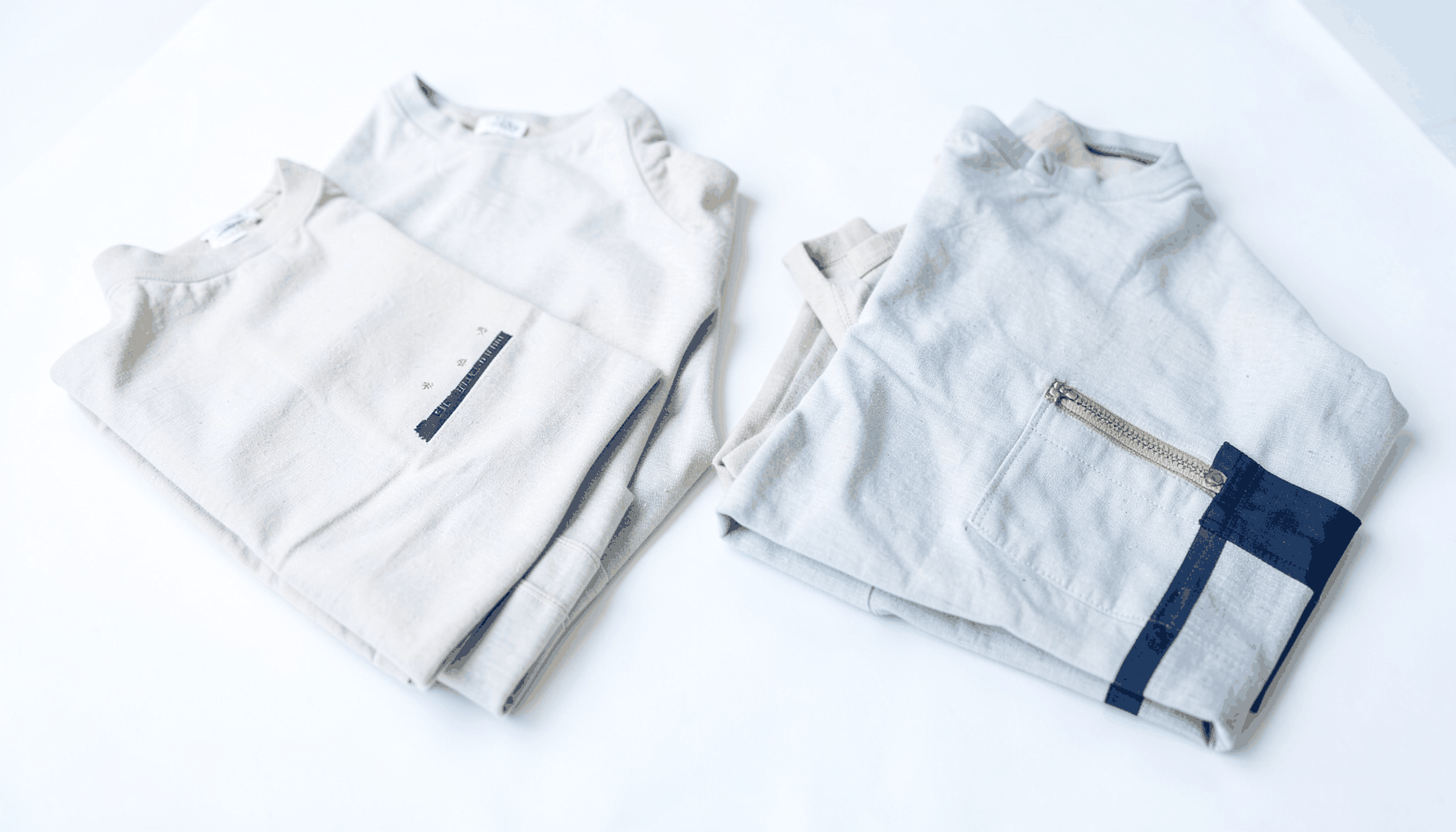
Heritage workwear informs almost every well-made field shirt on the market today. The features that defined early twentieth-century military shirts remain because they remain useful. Pleated chest pockets, sometimes with button flaps, hold a phone, a small notebook or sunglasses. A slightly longer back hem keeps the shirt tucked when bending over a workbench or a bike.
Cut and construction vary more than the basic details. Some shirts run trim and tailored, suitable for a Brisbane office with a relaxed dress code. Others are cut roomier, designed for layering over a heavier knit or under a waxed cotton outer layer. Reinforced shoulder yokes, side gussets at the hem and twin-needle stitching all signal a shirt built to last rather than replaced after a season.
Collar shape is worth considering as well. A soft, unstructured collar reads casual and works without a tie, which suits the way most Australian men wear a field shirt on weekends. A button-down collar feels more disciplined and keeps the collar points from curling in humid coastal air. Cuffs range from simple barrel cuffs with a single button to mitered cuffs with a working buttonhole for dressier occasions.
Styling for Australian Conditions
The versatility of a twill field shirt becomes obvious once a man starts reaching for it daily. Over a clean white tee and dark jeans, it looks appropriate for a Sunday market in Paddington or a morning at the Fremantle markets. Worn open over a striped Breton top, it slips into a coastal café scene in Manly or a quiet afternoon at a winery in the Barossa. Buttoned up and tucked into wool trousers, it handles a casual Friday at a creative studio in Surry Hills.
Footwear extends the range even further. Suede desert boots pull the shirt toward a smarter, European-inflected look for dinner in Melbourne's laneway restaurants. Canvas sneakers or leather runners push the same shirt firmly into weekend territory, ideal for a long walk through the Royal Botanic Gardens or a trip to the coast. For cooler evenings, layering a merino jumper or a Shetland over the shirt adds warmth without bulk.
Colours drawn from the Australian landscape tend to be the most wearable. Olive, stone, faded navy, rust and khaki all sit comfortably against the country's bright light and varied palette. These shades also hide the small marks and signs of wear that come with regular use, which suits men who would rather not treat every garment like a museum piece.
Weight, Colour and Wash
A field shirt's weight determines how and when it gets worn. Lighter twills around 150 grams feel almost like a heavier poplin and work well in tropical Queensland summers. Mid-weights around 220 to 260 grams offer the best three-season range for temperate zones like Sydney, Adelaide and Perth, where mornings can be cool and afternoons warm. Heavier twills closer to 300 grams begin to feel like overshirts, ideal for autumn and early winter or layering under a heavier outer layer on a cold Canberra morning.
Solid colours offer the greatest versatility for everyday styling. Olive and stone pair with denim, chinos and wool without effort. Faded navy reads softer than black and works in offices with a casual dress code, as well as on weekends at the footy. Earthy reds and rusts add character without shouting, and they sit well against the warm tones of Australian sandstone and timber. Subtle patterns like a fine herringbone or a tonal check add texture for men who find solid colours too plain.
Washing habits affect how the shirt ages over years rather than months. Cold washes preserve dye and reduce shrinkage, especially important for cotton twill. Line drying in a shaded spot, away from the harshest midday sun, prevents fading on the shoulders and back. Many men prefer the look of a well-worn twill field shirt with softened cuffs and a slightly faded collar.
Layering Through the Day
A field shirt earns its place in a small, considered wardrobe precisely because it layers well in changing conditions. On a cool morning in the Blue Mountains, a tee under the shirt plus a heavier overshirt on top keeps the cold out without bulk. By midday, the outer layer can come off and the sleeves can be rolled up neatly. As the temperature falls again in the late afternoon, the shirt becomes a comfortable mid-layer under a heavier coat or waxed jacket.
In warmer parts of the country, the shirt often works as the only layer a man needs. Worn open over a tee, it shades the shoulders from strong sun and looks at ease on the sand at Bondi or in the back streets of Fremantle. The chest pockets earn their keep by holding sunglasses, a wallet and a passport during a day of moving between galleries, shops and outdoor lunch spots in the city.
The shirt's cut should allow for a sweater underneath without pulling at the shoulders or binding under the arms. A boxy, oversized fit works for layering but can appear shapeless on slimmer frames. A regular fit with a touch of room through the chest and shoulders tends to be the most practical for men who want one shirt that does several jobs across the week.
Caring for Twill in Coastal and Inland Climates
Coastal living adds salt, sun and humidity to the life of any garment. Salt air can weaken buttons and corrode metal fittings over time, so a quick rinse after a windy day at the beach is a small habit that extends a shirt's working life considerably. Humidity encourages mildew on stored clothing, which means field shirts benefit from being hung on broad wooden hangers rather than folded tightly in a wardrobe over summer.
Inland climates, particularly the dry heat of places like Mildura or Alice Springs, dry fabrics out faster and can fade colour more quickly than coastal air. Washing shirts inside out and drying them away from direct midday sun helps preserve the depth of dye over many seasons. A small amount of fabric conditioner can soften a new shirt without coating the fibres too heavily or reducing breathability.
Repairs are part of the culture around well-made twill. A loose button can be reattached in a few minutes with a needle and thread. A torn pocket seam or a worn cuff can be turned into a feature with a simple patch in a similar tone. Many men find that a field shirt they have repaired themselves feels more personal and gets worn more often than a newer replacement.
Fit, Cut and Sizing Considerations
Sizing for field shirts varies more than for tailored dress shirts. Japanese labels often run narrower in the body and shorter in the sleeve than European or American makers, which can confuse buyers used to mainstream sizing. Trying a shirt on over a tee and a light jumper gives a clearer sense of how it will actually fit across the seasons rather than in a changing room mirror.
Sleeve length should allow the cuff to sit just at the base of the thumb when the arms are relaxed. A shirt that is too short in the sleeve will ride up when the arms are raised, while a sleeve that is too long bunches at the wrist and looks untidy with a watch. The shoulder seam should sit at the edge of the shoulder bone rather than drooping down the upper arm.
Body length matters for men who prefer to wear the shirt untucked. A hem that falls a few centimetres below the belt line keeps the shirt looking neat without the formality of a tucked-in dress shirt. For men who do tuck, a slightly curved hem stays in place better than a straight one and moves more naturally throughout the day.
Choosing a Field Shirt Worth Owning
- Look for a mid-weight cotton twill between 200 and 260 grams for the widest seasonal range in most parts of Australia.
- Check that seams are reinforced, particularly at the yoke, side seams and pocket corners, which take the most strain.
- Prefer a cut with enough room through the chest and shoulders to layer over a tee or under a jumper without binding.
- Choose earthy, landscape-friendly colours such as olive, stone, faded navy or rust for the longest styling life.
- Inspect the buttons and buttonholes closely; tacked or cross-stitched buttons and clean, tight buttonholes signal better construction.
- Consider the maker's background, since manufacturers with longer traditions in workwear tend to produce more consistent results.
A twill field shirt is the kind of garment that quietly shapes a wardrobe over years rather than seasons. Worn often, washed carefully and repaired when needed, it becomes one of the most useful pieces a man owns and one of the easiest to wear. The same principles of durability and thoughtful design carry through to other everyday staples, including the practical, well-made clothing found at Belly Baby Wear, where simple, hard-wearing pieces extend the same values to smaller wardrobes and family life.