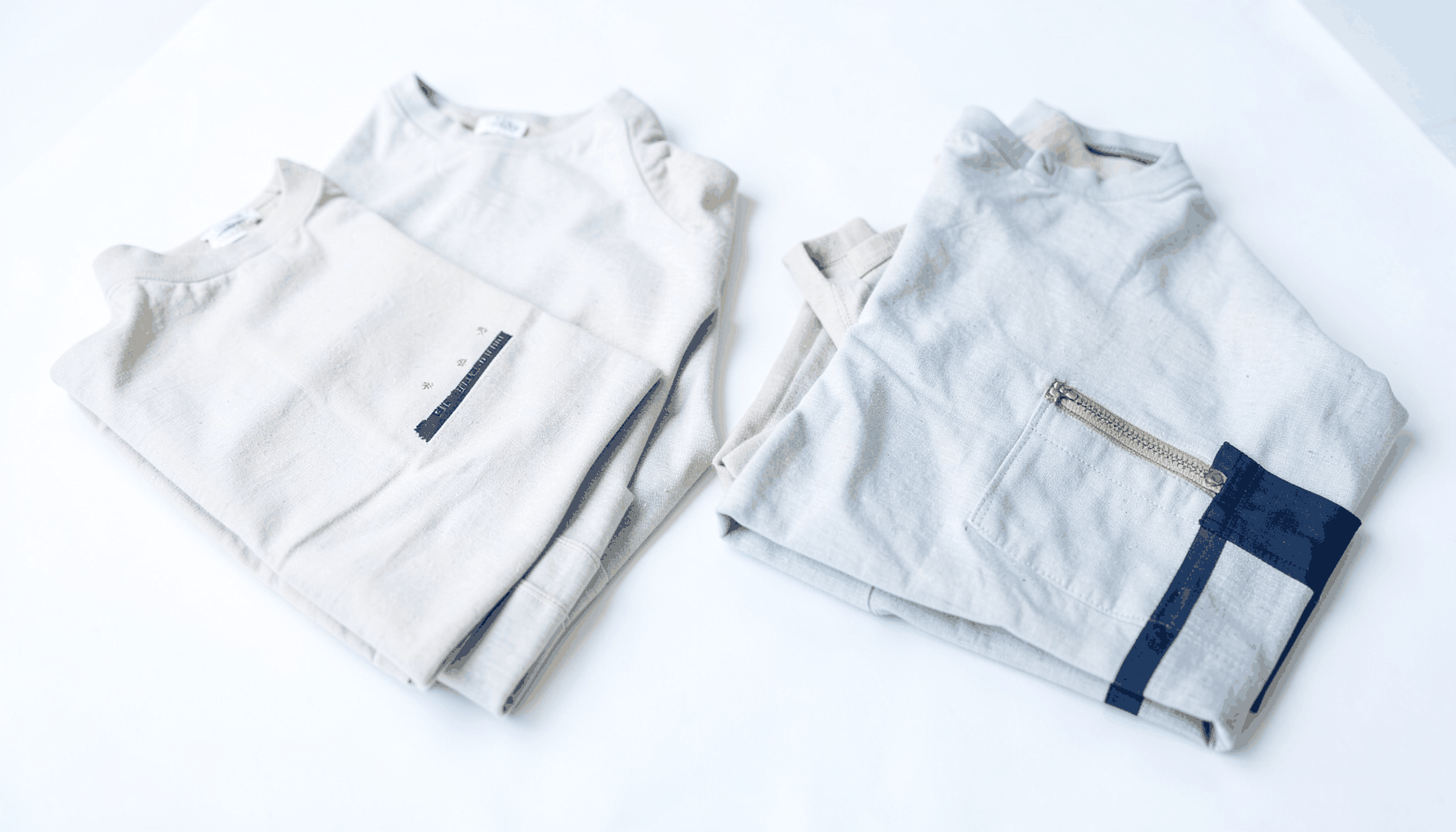
The best unisex cotton base layer tops for dry fit
A reliable base layer is the quiet foundation of a versatile wardrobe. Worn beneath an overshirt, knit, work jacket or lightweight coat, it can regulate comfort, reduce friction and keep an outfit looking composed. The best unisex cotton base layer tops combine a clean silhouette with a fabric that feels soft against the skin while allowing moisture to move away from the body.
For Australian wardrobes, that balance matters across very different conditions. A top that works under a wool coat in Melbourne may also need to feel comfortable during a warm Sydney commute or a mild winter day in Brisbane. Cotton is naturally breathable and familiar, while technical fibres and carefully chosen blends can improve drying speed, stretch and shape retention.
The goal is not to find a single shirt for every situation. It is to build a small rotation of dependable everyday base layers in neutral colours, practical weights and cuts that suit both men and women. This makes dressing simpler, supports repeat wear and fits the understated approach found across the Focarth edit.
| Base layer type |
Feel and performance |
Best use |
Watch for |
| Lightweight cotton jersey |
Soft, breathable and easy to layer |
Daily wear, travel and warm weather |
Can dry slowly after heavy perspiration |
| Cotton-modal blend |
Smooth, flexible and fluid |
Close-fitting under shirts or knitwear |
May lose structure if washed carelessly |
| Cotton-elastane blend |
Stretchy with better recovery |
Active commuting and fitted outfits |
Excess elastane can feel warm |
| Cotton-polyester blend |
Faster drying and more resilient |
Hiking, workdays and humid conditions |
May feel less natural against the skin |
| Heavyweight cotton rib |
Warm, substantial and durable |
Cool-weather layering and relaxed fits |
Too warm for summer or indoor heating |
Choosing the right cotton base layer
A dry-fit base layer does not have to be made entirely from synthetic fabric. In everyday clothing, “dry fit” is best understood as a combination of moisture management, breathability, a comfortable fit and enough drying speed for the setting. A lightweight cotton tee may perform well during a normal day, while a cotton-polyester or cotton-elastane blend can be more practical for long walks, cycling or repeated travel.
Jersey knit is the most versatile construction. Its loops create a soft, flexible surface and allow the garment to move with the body. Ribbed cotton has more texture and stretch, making it useful as a close-fitting undershirt, although it can feel warmer. A smooth interlock knit offers a slightly denser finish and often looks more polished under an open shirt or overshirt.
Weight is just as important as fibre content. Lightweight fabric suits Brisbane summers, coastal walks and layering under a linen shirt. Midweight cotton works across much of the year and is easier to wear alone. Heavyweight versions offer warmth in Tasmania or during Melbourne’s colder mornings, but they should be reserved for cooler conditions rather than treated as universal essentials.
Understanding fibres, fit and moisture
Pure cotton remains popular because it is soft, breathable and easy to wear against the skin. Its limitation is that it absorbs moisture rather than rapidly moving it to the outside of the garment. This can be perfectly acceptable for low-intensity use, but a damp cotton tee may feel heavy after a long walk or a humid commute.
Blends solve some of that problem. Polyester improves drying speed and durability, while elastane gives the garment recovery after stretching. Modal and lyocell add a smooth hand feel and drape, although they may need gentler care. A small amount of stretch is often enough; a high-stretch fabric can feel overly clingy and may be less suited to a timeless wardrobe.
Fabric choices for different routines:
- Choose lightweight cotton jersey for relaxed daily wear and easy layering.
- Choose cotton-elastane when you want freedom of movement and a closer fit.
- Choose a cotton-polyester blend for travel, walking or humid weather.
- Choose modal-cotton when a smooth, soft finish matters most.
- Choose heavyweight ribbed cotton for cold mornings and substantial overshirts.
Fit controls comfort as much as the fabric. A close base layer should sit near the body without compressing the chest or restricting the shoulders. A regular fit allows more airflow and works well beneath chore jackets, flannel shirts and knitwear. Longer hems are useful when tucking in, while shorter hems avoid bunching under trousers with a higher rise.
Neckline and sleeve length deserve attention, especially when the shirt is designed for layering. A crew neck is the most adaptable option, while a shallow scoop or V-neck can disappear beneath an open-collar shirt. Short sleeves are practical year-round, but long sleeves create a warmer foundation under wool, denim and waxed cotton.
Matching base layers to Australian weather
Australia’s regional differences make fabric choice especially relevant. In Sydney, humidity can make a thick cotton tee uncomfortable even when the temperature is moderate. A lighter knit with a small proportion of quick-drying fibre is useful for commuting, while a breathable pure cotton shirt remains comfortable for less active days.
Melbourne’s changeable conditions favour adaptable layering. A midweight cotton tee can sit beneath a merino jumper, Barbour-style jacket or relaxed overshirt, then be worn alone when the afternoon warms up. The city’s strong café and walking culture also rewards tops that look presentable without feeling formal.
In Brisbane, Adelaide and Perth, warm-weather base layers need to handle sun, movement and frequent washing. Pale neutrals can feel visually lighter, while a looser fit allows more air around the body. For outdoor use, a high crew neck and a fabric with a closer weave may provide more coverage than a very open, lightweight knit. No clothing replaces sunscreen, a hat or sensible sun protection.
Useful combinations through the year:
- Summer: lightweight ecru or white cotton beneath linen, seersucker or an unlined overshirt.
- Transitional weather: a midweight grey or navy tee beneath denim, cotton twill or waxed outerwear.
- Cool mornings: a long-sleeve base layer under a wool jumper or quilted vest.
- Travel days: a blend with stretch, a regular fit and a colour that hides light creasing.
- At home: soft cotton jersey paired with relaxed trousers for comfortable, considered dressing.
Colour affects versatility. White and ecru are useful beneath pale shirts, although white can show through fine fabrics. Grey marl often hides small marks and sits discreetly under darker layers. Navy, olive, charcoal and washed black create a grounded palette that suits denim, chinos and heritage outerwear. A compact wardrobe of three to five colours is usually more useful than a drawer full of near-identical trend shades.
Building a durable unisex wardrobe
Unisex design works best when it focuses on proportion, fabric and function rather than simply offering one garment in an expanded size range. Shoulder width, body length, sleeve opening and hem shape should all be considered. A good shared base layer can be styled tucked or untucked, worn close to the body or sized up beneath a jacket.
For a more traditionally fitted look, choose a shoulder seam that sits close to the natural shoulder and a hem that ends around the upper hip. For a relaxed silhouette, size up slightly or select a cut with dropped shoulders and more room through the torso. Avoid excessive length if the shirt will be worn untucked, as it can make simple outfits look unbalanced.
The most useful base layers support garments already in the wardrobe. A white or grey tee works with Tricker’s-style leather shoes, canvas sneakers and denim. An earthy cotton layer complements Pendleton-inspired pattern, brushed wool and rugged outerwear. A fine black or navy version can sit beneath a clean overshirt or a simple women’s tailoring look without competing with the rest of the outfit.
A smaller wardrobe also benefits from considered purchasing. Look for reinforced shoulder seams, stable neck ribbing, even stitching and fabric that returns to shape after washing. Examine whether the side seams twist, whether the surface pills easily and whether the garment remains opaque in the chosen colour. Labels that explain fibre content and care requirements are more useful than vague performance claims.
For ideas beyond clothing, practical lifestyle pieces can help create a similarly restrained approach to everyday accessories and home essentials. The same principle applies: select objects that earn their place through regular use, reliable materials and compatibility with what you already own.
Care, sizing and buying decisions
Cotton base layers perform better when washed with similar colours and treated according to the care label. Cold or warm water, a moderate spin and prompt removal from the machine can reduce shrinkage and distortion. Avoid excessive fabric softener, which may coat fibres and affect absorbency. Air drying is usually gentler than high heat, especially for garments containing elastane or modal.
Before buying, compare the actual garment measurements with a favourite top rather than relying only on a letter size. Check chest width, body length and sleeve length, then consider whether the top is intended to sit close or relaxed. Australian retailers may use different sizing conventions, so measurements are particularly valuable when shopping online.
A base layer should also suit the way it will be worn. If it needs to disappear beneath a shirt, choose a smooth surface, low-profile seams and a neckline that stays hidden. If it will be worn alone, pay more attention to opacity, shoulder construction and the way the hem falls. A garment that performs well under other clothing may not have the structure required to look complete on its own.
A sensible buying checklist includes:
- Confirm fibre percentages and select the blend for the activity, not just the label.
- Check the size chart against a garment you already own and like wearing.
- Inspect neckline recovery, seam finishing and fabric weight.
- Choose colours that coordinate with existing jackets, trousers and footwear.
- Read care instructions before purchasing several identical pieces.
Value comes from cost per wear rather than the lowest ticket price. A well-made neutral tee worn weekly for several seasons may be more economical than a cheaper garment that twists, fades or loses its shape after a few washes. Buying two or three dependable styles in rotation also reduces laundry pressure and helps each piece keep its structure.
The best unisex cotton base layer tops for dry fit are therefore practical compromises. They combine natural comfort with the technical benefits of modern blends, offer enough stretch without becoming restrictive and fit neatly beneath the clothing you already wear. In Australia, the right choice will vary with region, activity and season, but a small set of breathable, durable layers can work across all three.
Build your rotation around one lightweight cotton tee, one versatile midweight option and one blend designed for faster drying. Select understated colours, care for them properly and pair them with the durable clothing and footwear you reach for most often. Explore Focarth’s curated everyday collection to find base layers that support comfortable dressing, repeat wear and a more intentional wardrobe.