The best unisex cotton jersey loungewear for small spaces
Living in a compact flat in Sydney or Melbourne often means every item in your wardrobe has to earn its keep. When square metres are limited, clutter is the enemy, and pieces that only work for one moment of the day quickly lose their appeal. A drawer full of single-use garments quickly becomes a burden, particularly in rentals where storage is often little more than a single mirrored robe and a narrow hallway cupboard. Unisex cotton jersey loungewear answers that problem with garments that feel considered, look intentional, and fold down small enough to slot behind a cupboard door or into a slim apartment wardrobe.
Cotton jersey has a quiet, worn-in softness that suits mornings spent over a flat white in Surry Hills, slow weekends at home in a Brisbane apartment block, or quiet evenings on a balcony in Fremantle. It drapes rather than shouts, it breathes through humid coastal summers, and it layers easily when the evenings turn cool in Adelaide. Unlike synthetic lounge sets that cling, pill, or trap heat, a good cotton jersey piece settles into the rhythm of a household where the kitchen bench doubles as a desk and the couch is also the cinema. The texture feels familiar from the first wear, which suits the kind of understated, lived-in look that works across most Australian interiors.
For Australian homes where the bedroom, living area, and home office often share the same roofline, versatile loungewear removes one layer of decision fatigue. Pulling on a single, well-cut set in the morning means there is no midday outfit change before a walk to the corner shop, a trip to the laundromat, or a video call with a colleague. The right jersey pieces blur the line between private and public, between rest and routine, which is especially helpful for those balancing hybrid work weeks with the rest of life. When the wardrobe is small, each piece has to work harder, and a few reliable sets outperform a rack of occasional outfits.
Why cotton jersey earns its place in the linen cupboard
Cotton jersey is knit rather than woven, which gives it a natural stretch that follows the body without clinging. The looped construction traps a little air between fibres, so it feels warmer than a plain cotton tee in winter yet lighter and more breathable in summer. For Australian homes that swing between dry inland heat and damp coastal mornings, this balance matters more than the loft of a heavy fleece. A midweight jersey sits comfortably across most of the year, removing the need to swap wardrobes with every shift in the weather.
The fibre is also remarkably forgiving. A spilled cup of tea, a stretch on the couch, a sudden need to dash out for milk — cotton jersey handles all of it with a wash and a dry. The surface softens with each cycle rather than degrading, and small pulls tend to settle back into the knit instead of becoming permanent ladders. A well-made set will outlast several seasons of daily wear, which suits the slower, more intentional approach many apartment dwellers take to their wardrobes.
Weight is another quiet advantage. Heavyweight jersey feels substantial on the body but packs flatter than woven cotton or wool, slipping into a drawer or a stackable shelf without creating bulk. For renters in Perth or Hobart who move often, that portability is worth more than any fashion-forward label. A few sets can be folded into a single moving box without losing shape, which makes the category especially suited to share houses, student accommodation, and the kind of transient inner-city living common across Sydney and Melbourne.
Unisex silhouettes that work in shared wardrobes
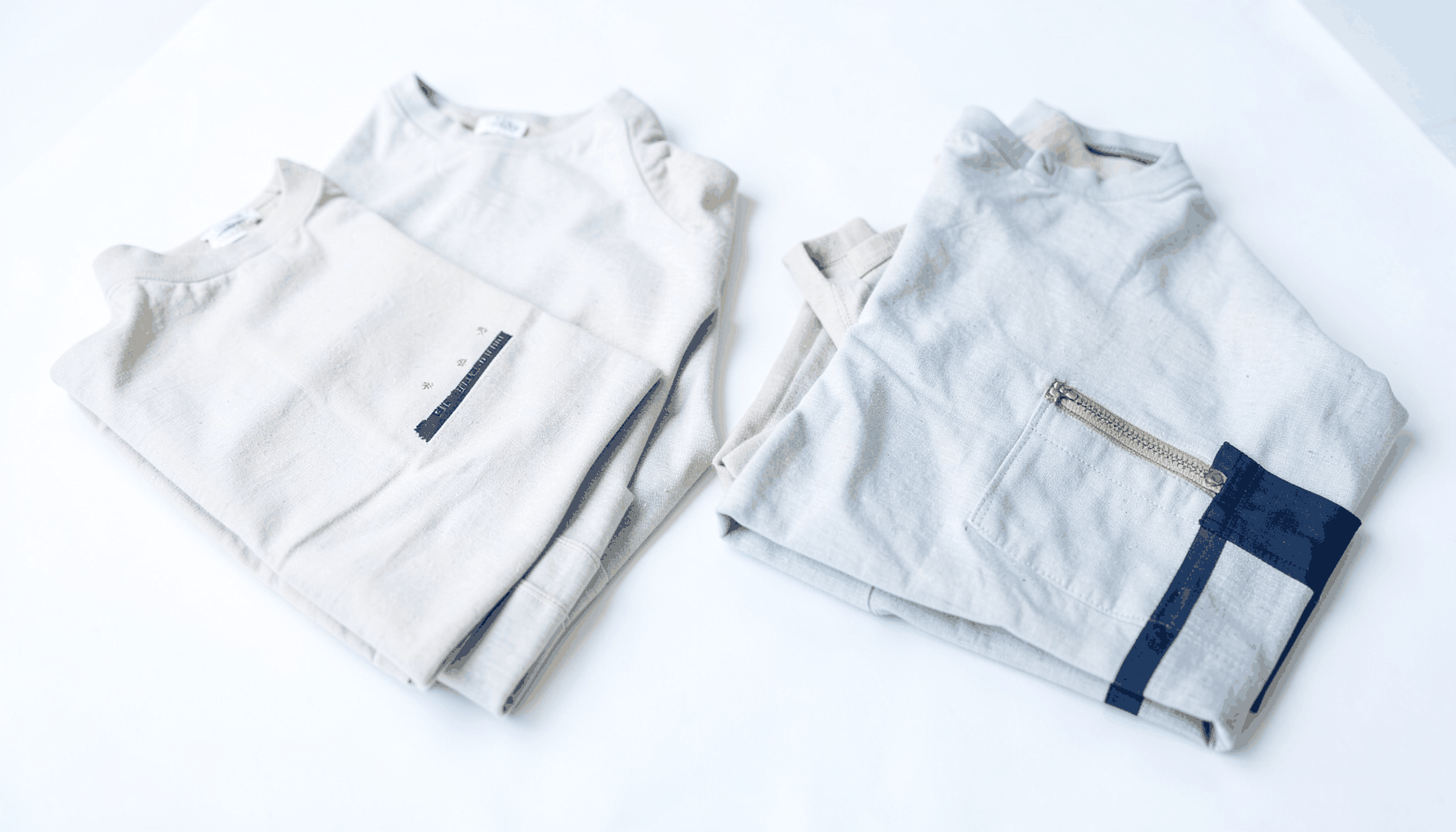
Unisex does not mean shapeless. The strongest pieces rely on dropped shoulders, a relaxed torso, and a gentle taper through the leg, so the garment sits well on a wider range of bodies. A classic crew-neck sweat, a long-sleeve henley, and a tapered jogger form the core of a set that reads as considered rather than borrowed. The cut should skim the body rather than hug it, leaving room for movement and for the natural give of the cotton over time.
Colour plays a role here. Soft ecru, oat, faded navy, moss, and charcoal are easier to mix between pieces than bright prints, and they hide the small marks that come with daily wear. These tones also sit comfortably against the muted palettes common in Australian interiors, where sandstone walls, pale timber floors, and olive-toned upholstery tend to dominate. A pair of oat lounge pants will look at home next to a linen sofa in a Newtown terrace as easily as beside a mid-century sideboard in a Cremorne apartment. The same tones translate easily into the kind of breezy coastal look common from Bondi to Byron Bay.
Details matter in subtle ways. Flat-locked seams stop the fabric from digging in during long work-from-home days. Ribbed cuffs keep sleeves from riding up when reaching for a book or a laptop. A drawcord with metal tips feels more enduring than a fraying elastic, and side pockets deep enough for a phone and keys remove the need for a bag on short trips downstairs. These small choices add up to a garment that feels finished rather than disposable.
Australian climate and the rhythm of apartment living
The country stretches across several climate zones, and loungewear has to flex with them. In humid Darwin or Cairns, a lighter 180 to 220 GSM jersey breathes enough for evenings that never quite cool down. In Hobart or the hills around Melbourne, a heavier 280 to 340 GSM weight holds warmth through winter without the bulk of a fleece. Between those extremes, most Australian homes sit somewhere in the middle, where layering does most of the work.
Layering is the real secret in transitional cities like Sydney and Perth, where a spring morning can swing twenty degrees by sundown. A cotton jersey crew worn under an overshirt works from a desk set-up near a window to an evening walk along the harbour. The same outfit sits comfortably in a heated apartment in winter and a fan-cooled flat in summer, which reduces the number of garments a small wardrobe has to carry. A single base layer can shift roles across the day, which is the kind of efficiency a compact wardrobe depends on.
Storage is a daily reality in compact living. Stacking loungewear in vertical drawer dividers, rolling rather than folding to prevent creasing, and keeping one or two sets in a shallow basket near the bedroom door all help keep the wardrobe from spilling into the hallway. Cotton jersey responds well to this kind of gentle handling, holding its shape without the rigid creases of a woven shirt. The fabric also recovers quickly from being folded for long periods, which suits the kind of under-bed or over-cupboard storage that renters often rely on.
Caring for cotton jersey in tight laundry spaces
Most Australian apartments lack the luxury of a full laundry room. A shared laundry in a basement, a combined bathroom-and-laundry in a newer build, or a compact washer-dryer tucked under a bench all demand a little thought. Cotton jersey is well suited to these setups because it washes cleanly at lower temperatures and dries quickly on an indoor rack.
A cool wash at thirty degrees preserves the fibres, slows fading in coloured pieces, and uses less energy in regions where electricity costs are climbing. Turning garments inside out protects the surface from friction against buttons or zips, and a mesh laundry bag keeps sets together through the cycle. Avoiding fabric softener is worthwhile, as it coats the fibres and reduces the breathability that makes cotton jersey so comfortable in the first place. A small splash of white vinegar in the rinse cycle works as a natural softener if the fabric feels stiff after line drying.
Drying flat on a rack near a window prevents the shoulder bumps that appear when jersey is hung wet. For those without a yard or balcony, a folding rack in a sunny corner of the living area does the job, especially in drier inland climates like Ballarat or Toowoomba. If tumble drying is unavoidable, a low-heat cycle keeps the fabric from shrinking and the surface from pilling. A quick shake before hanging also helps the knit settle back into shape.
Comparing standout unisex cotton jersey sets
A short comparison can help narrow the field when building a small-space collection. The table below draws together a few pieces that suit different needs within the category, from featherweight summer weights to heavier winter options. Each works in compact storage and across shared wardrobes, and each suits a slightly different Australian climate.
| Piece |
Weight |
Fit |
Best climate |
Storage note |
| Loopback crew and tapered pant |
320 GSM |
Relaxed, dropped shoulder |
Cool regions: Hobart, Melbourne hills |
Folds flat; ribbed cuffs hold shape |
| Lightweight long-sleeve and short |
200 GSM |
Slightly closer cut |
Humid coast: Brisbane, Cairns |
Rolls small into drawer dividers |
| Heavyweight zip hoodie and jogger |
360 GSM |
Roomy, unisex block |
Winter evenings: Adelaide, Canberra |
Hangs well; avoid wire hangers |
| Ribbed henley and wide-leg pant |
240 GSM |
Soft drape, easy through hip |
Transitional: Sydney, Perth |
Best stored folded to protect rib |
| Textured slub tee and pull-on pant |
210 GSM |
Relaxed, lived-in |
Year-round coastal: Fremantle, Geelong |
Slub surface hides small marks |
For more on creating a calm, considered home environment to match this kind of wardrobe, the home fragrance alternatives guide from Focarth explores options that suit smaller Australian apartments. Scent, like fabric, sets the tone of a space, and the right pairing makes a compact home feel more grounded.
Building a small-space loungewear collection
A focused wardrobe of two or three sets covers almost every week of the year without crowding a slim closet.
- Choose one heavier weight for winter, one midweight for spring and autumn, and one lighter weight for the warmer months.
- Stick to a tight palette of three to five tones that mix freely across pieces.
- Prioritise flat seams, ribbed cuffs, and side pockets that suit both rest and movement.
- Buy sets that wash at the same temperature and dry at a similar rate to simplify laundry days.
- Keep a single spare set in a basket near the bedroom for midweek washes.
- Repair small pulls early with a needle rather than letting them spread.
- Rotate pieces seasonally rather than buying more, giving favourites time to rest between wears.
Browse the Focarth loungewear edit to find cotton jersey pieces that suit compact Australian homes and the slow rhythm of everyday life.