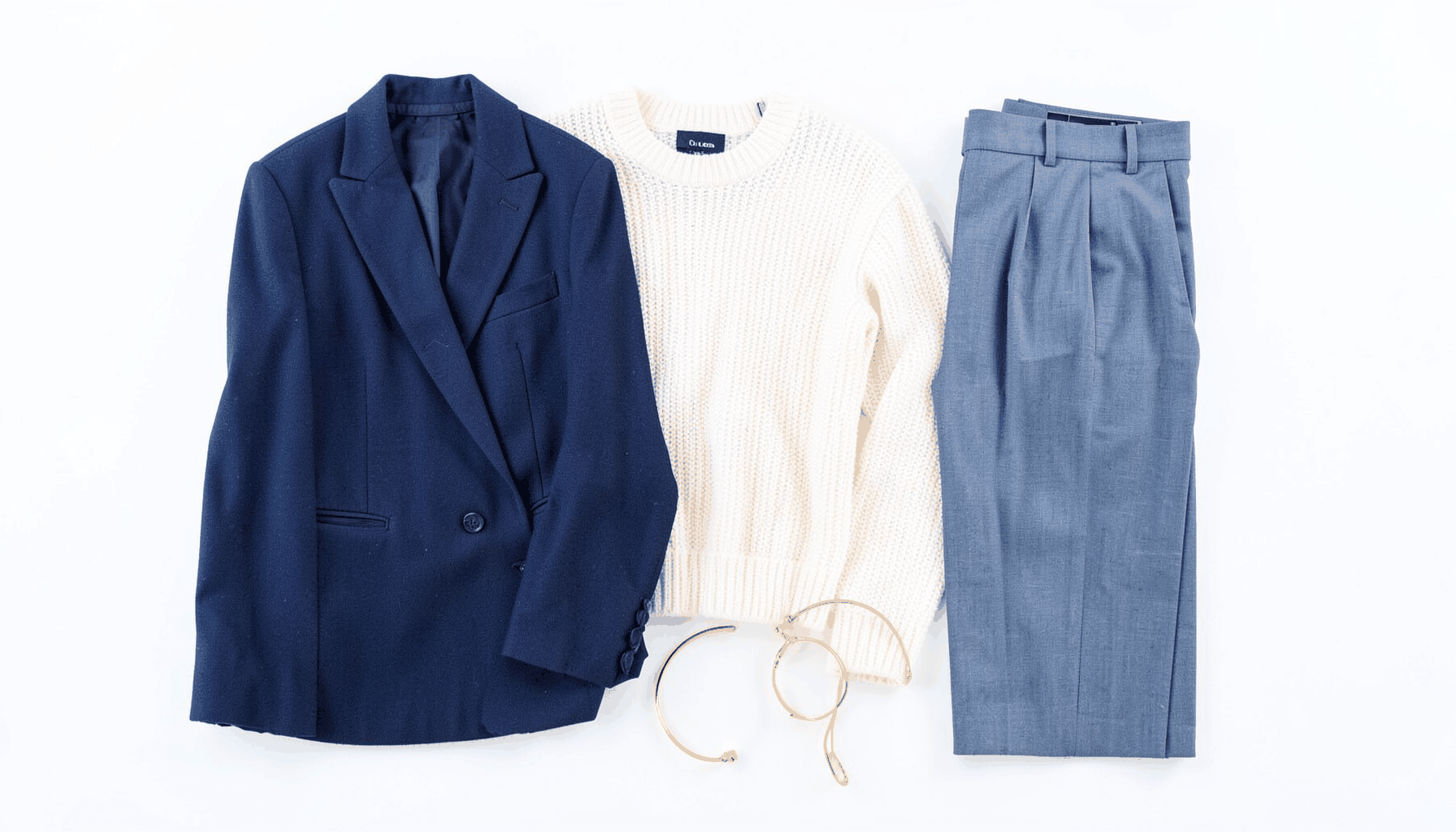
The Best Women’s Cashmere Crewneck Sweaters for Sensitive Skin
A cashmere crewneck can be one of the gentlest layers in a wardrobe, yet softness is not guaranteed by the fibre name alone. Fibre length, fineness, knit density, finishing, and the way a sweater is worn against the body all influence whether it feels smooth or irritating. For sensitive skin, the right choice is less about a dramatic luxury label and more about thoughtful construction.
Australia’s varied climate makes this decision especially practical. A lightweight cashmere pullover can work through Melbourne’s cool mornings, Sydney’s winter evenings, and air-conditioned offices in Brisbane, while a denser knit is better suited to Hobart or Canberra. Choosing the right weight prevents the common mistake of buying an expensive sweater that is too warm for local conditions.
The most comfortable women’s cashmere sweaters usually have a relaxed crew neckline, clean internal seams, and enough room for movement. A softly shaped shoulder and ribbed cuffs also help prevent friction. If your skin reacts to wool, fragrance, dyes, or rough finishing, a cashmere blend may be more comfortable than a highly textured pure-cashmere style.
This guide focuses on wearable crewneck jumpers that can earn a regular place in an intentional wardrobe. It covers fibre quality, fit, blends, care, climate suitability, and the details worth checking before buying online or in store.
| Sweater type |
Best for |
What to look for |
Australian wearability |
| Lightweight pure cashmere |
Sensitive skin and layering |
Fine, long fibres; smooth finish; 12–15 gauge knit |
Excellent for offices, travel, and mild winter days |
| Midweight pure cashmere |
Everyday warmth |
Dense knit; reinforced cuffs; balanced fit |
Useful across Melbourne, Sydney, Adelaide, and Perth winters |
| Cashmere and silk blend |
A fluid, lighter feel |
Soft drape; low-friction seams; breathable construction |
Suits transitional weather and indoor layering |
| Cashmere and cotton blend |
Warm climates or lower maintenance |
Smooth cotton yarn; breathable knit; modest cashmere content |
Practical for Brisbane, coastal NSW, and spring |
| Cashmere and merino blend |
Extra structure and warmth |
Fine merino, carefully finished interior, non-itchy handle |
Better for Canberra, Hobart, and colder regional areas |
Why Cashmere Can Suit Sensitive Skin
Cashmere comes from the soft undercoat of cashmere goats, and its fine fibres generally have a smaller diameter than ordinary wool fibres. Coarser fibres can bend against the skin and create a prickling sensation, while finer fibres tend to feel smoother. This is why a well-made cashmere crewneck often feels comfortable over a camisole or directly against the neck.
Sensitivity varies widely, so pure cashmere should not be treated as automatically hypoallergenic. Residual processing chemicals, detergents, dyes, lanolin from blended fibres, and rough seams can all affect comfort. People with eczema or persistent irritation should follow advice from a dermatologist and test a new garment gradually rather than wearing it for a full day immediately.
The neckline deserves particular attention. A classic crewneck sits close to the base of the neck, so a scratchy rib or thick seam can be more noticeable than the body of the sweater. Look for a smooth binding, flat seam construction, and a collar that holds its shape without pressing tightly against the throat.
Fibre Quality Matters More Than the Label
Fineness is one of the useful indicators of softness, although it should not be the only consideration. Very fine cashmere can feel wonderfully delicate but may be more vulnerable to abrasion and pilling. Slightly stronger fibres, knitted with care, can deliver a better balance of comfort, resilience, and everyday wear.
Longer fibres generally create a smoother yarn with fewer loose ends exposed on the surface. This can reduce early pilling, though all cashmere may pill where friction occurs. Underarms, side seams, handbag straps, seatbelts, and coat fronts are common trouble spots. A sweater that pills lightly after initial wear is not necessarily poor quality; persistent heavy pilling can indicate weaker fibres or loose spinning.
A reliable cashmere jumper should feel even across the front, back, sleeves, and cuffs. Hold it up to light and check for thin patches, uneven knitting, or abrupt changes in texture. The fabric should recover after a gentle stretch, and the ribs should sit flat rather than appearing loose or wavy.
Pure Cashmere And Considered Blends
Pure cashmere offers the signature softness and light warmth many people seek, but a blend can be the better choice for sensitive skin and Australian conditions. Cashmere with silk often feels smooth and has an elegant drape, while a cashmere-cotton knit can breathe more easily in milder weather. A small amount of elastane may improve recovery, although it can alter the natural hand of the fabric.
Cashmere and merino blends need closer inspection. Fine merino can add structure and warmth, but some people who find cashmere comfortable still react to merino’s surface feel. If a blended crewneck is intended to touch the neck, check the fibre percentages and run a hand over the inside before removing tags.
Blends can also make sense from a wardrobe-planning perspective. A cotton-cashmere sweater may be easier to wear through a Sydney winter than a lofty pure-cashmere knit, while a dense cashmere-merino style can replace several heavier layers in Canberra. Consider how often the garment will be worn, washed, packed, and combined with existing clothes.
The Most Comfortable Crewneck Fit
For sensitive skin, fit should reduce friction rather than create pressure. A slightly relaxed body gives the fabric room to move, while sleeves that finish at the wrist keep cuffs from bunching beneath a jacket. Dropped shoulders can feel comfortable, but excessive volume may cause rubbing under the arms and make layering awkward.
A standard crewneck is versatile with tailored trousers, denim, skirts, and wide-leg pants. A shorter length works well with high-waisted clothing, while a longer, straight cut offers useful coverage over leggings. The best length depends on your wardrobe rather than seasonal fashion: a sweater worn often should coordinate with several outfits.
Pay attention to shoulders and armholes when ordering online. If the shoulder seam sits too far down the arm, the sweater can drag across the upper body. If the armhole is too narrow, movement creates tension at the underarm. Use a favourite sweater as a measuring reference and compare the garment’s listed chest, sleeve, and length measurements.
Weight, Warmth, And Australian Seasons
Cashmere weight is often described by gauge, which refers broadly to the number of stitches in a given measurement. A finer gauge usually produces a lighter fabric, while a lower gauge tends to create a thicker, warmer knit. Product descriptions are not perfectly standardised, so also look for fabric weight, knit density, and styling photographs.
In Melbourne, a lightweight or midweight crewneck is useful beneath a trench or wool coat, especially when mornings are crisp and afternoons brighten. For Brisbane and northern New South Wales, a breathable cashmere-cotton blend may be more practical than a thick winter jumper. Perth’s dry evenings call for flexible layering, while Hobart and Canberra can justify a denser knit.
Air conditioning is another local consideration. A fine sweater can be useful in offices, cinemas, and restaurants even when outdoor temperatures are mild. For travel between cities, choose a style that folds compactly, does not require a bulky coat, and works with a scarf or overshirt rather than relying on excessive thickness.
Colours And Wardrobe Versatility
Neutral colours are particularly valuable in a premium knit because they increase the number of outfits available. Oatmeal, charcoal, navy, black, soft grey, camel, and warm ivory can all work with denim, tailoring, corduroy, and skirts. If your complexion is sensitive to contrast around the face, a muted shade may feel more comfortable visually and make the crewneck easier to wear without a scarf.
Colour should also be assessed alongside care. Pale cashmere can show makeup, sunscreen, and food marks, while black and very dark shades may reveal lint. Marl effects and heathered neutrals can disguise minor surface changes better than a completely flat colour. A restrained palette supports the kind of smaller, more deliberate wardrobe that makes a high-quality sweater worthwhile.
For shoppers building a durable wardrobe, it helps to compare cashmere with other natural-fibre layers before purchasing. The Focarth clothing edit brings together considered apparel and heritage-minded pieces, making it useful to assess a cashmere crewneck alongside wool, cotton, footwear, and accessories rather than treating it as an isolated purchase.
Care That Protects Softness
Cashmere benefits from infrequent washing. Air the sweater after wearing it and rotate it with other knitwear so moisture and odours can dissipate. When washing is needed, use cool water and a small amount of a specialist wool or cashmere detergent. Avoid standard laundry powder, fabric softener, bleach, and strong fragrance, all of which can compromise fibres or aggravate sensitive skin.
Hand wash by gently pressing the garment through the water rather than rubbing it. Rinse thoroughly, support the weight with both hands, and press out excess water in a clean towel. Reshape it while damp and dry it flat, away from direct sun and heaters. Hanging a wet cashmere sweater can stretch the shoulders and length.
Pilling can usually be managed with a fine knit comb or cashmere comb once the garment is completely dry. Use light strokes and avoid pulling individual pills by hand. Store the sweater folded in a breathable drawer or shelf, with cedar nearby if needed; avoid placing heavy items on top, and keep the knit clean before long-term storage.
Shopping Checks Before You Buy
Product photography can make a sweater appear thicker, looser, or softer than it is. Read the fibre composition, measurements, care instructions, and return policy carefully. Look for close-up images of the collar, cuffs, and seams. A transparent description of yarn content and construction is more useful than vague claims about luxury or exceptional softness.
For online purchases in Australia, confirm delivery timing, return postage, and whether the item can be returned after trying it on over a clean base layer. Check sizing against an existing jumper instead of relying solely on your usual size. Australian retailers may use different measurements from UK, US, or European labels, and cashmere’s relaxed fit can vary considerably between brands.
Once the sweater arrives, inspect it in natural light and try it briefly at home. Notice the neck, underarms, cuffs, and side seams before removing tags. If it feels prickly immediately, wearing it repeatedly in the hope that it will soften may lead to unnecessary irritation. A genuinely comfortable knit should feel easy from the first careful fitting.
A well-chosen cashmere crewneck can serve as a quiet foundation for years of outfits: over a cotton shirt, beneath a structured jacket, or with relaxed trousers on a cool weekend. Prioritise a smooth interior, appropriate weight, reliable measurements, and a care routine you can maintain. Explore considered knitwear and complementary everyday pieces through Focarth, then choose the sweater that fits your skin, climate, and wardrobe with equal care.