Why a canvas duffle coat lining adds winter warmth
A reliable winter coat earns its place through years of steady service, rather than seasonal hype. Among the options available to thoughtful dressers, the duffle coat occupies a particular niche, valued for its toggled front, generous cut, and roots in workwear and naval tradition. Australian winters, while milder than those of Northern Europe, still bring biting winds along the southern coast and freezing mornings in the alpine regions. A coat that bridges heritage craftsmanship and practical insulation becomes a sensible cornerstone of a cold-weather wardrobe.
Canvas has long been used in workwear, tents, and military gear for its toughness and structure. When a duffle coat features a canvas lining, it gains a hidden layer of reinforcement that supports the wool exterior and helps the garment hold its shape over decades of wear. The lining also serves a thermal function, creating an internal microclimate that holds body heat while blocking wind from penetrating the outer shell. For those who value clothing that lasts, this combination of durability and warmth is hard to beat.
Buying such a coat in Australia requires understanding the local climate rhythms. Winter in Hobart, Canberra, or the hills outside Melbourne can feel sharper than coastal Sydney or Brisbane, and layering choices shift accordingly. A canvas-lined duffle answers both needs, functioning as a standalone piece in milder zones and as a reliable outer layer in colder pockets of the country.
The heritage of the duffle coat
The duffle coat traces its origins to Belgian fishermen and was later adopted by the British Royal Navy during the First World War. Its characteristic toggle fastenings allowed sailors to secure the coat quickly with cold or gloved hands, while the thick woolen fabric provided essential protection against the North Atlantic gales. After the war, surplus coats filtered into civilian wardrobes, where they were embraced by students, artists, and outdoorsmen for their unpretentious practicality.
Traditional duffles were constructed from heavy melton wool, a dense fabric that resists wind and retains warmth. As manufacturing evolved, designers began experimenting with internal layers that could enhance these natural qualities. Canvas, long favoured for its tensile strength, emerged as a popular backing material. When stitched into a duffle, the canvas supports the wool, prevents stretching at the shoulders, and creates a smoother glide when layering knitwear or shirts underneath.
Heritage brands that supply Australian wardrobes have preserved these construction methods while refining the fit for contemporary tastes. Labels such as Gloverall and original British makers remain benchmarks for authenticity, while newer interpretations offer slightly shorter lengths and updated silhouettes suited to urban commuting through city streets in Melbourne or Sydney.
What canvas brings to outerwear construction
Canvas is woven from cotton or linen yarns in a tight plain weave that gives it a firm hand and excellent abrasion resistance. In outerwear, this makes it ideal for reinforcing high-stress areas like shoulders, lapels, and pocket linings. When used throughout the body of a coat, canvas adds a stable foundation that helps the wool drape properly and resist deformation over time.
Beyond structure, canvas contributes to thermal performance in ways that are often overlooked. The dense weave slows the movement of air through the fabric, reducing wind chill without sacrificing the breathability needed to prevent overheating. Wool and canvas work together as a system: the wool traps warm air in its fibres, while the canvas acts as a windbreak on the interior, keeping that warmth close to the body.
For Australian consumers, this pairing offers practical benefits during the unpredictable transition months. Early winter mornings in Adelaide or Perth can start cold and finish mild, and a coat with a canvas lining adjusts more gracefully than one made from a single thin layer. The wearer stays warm when temperatures dip and avoids the clammy feeling that comes with non-breathable synthetic alternatives.
The science behind trapped warmth
Insulation in clothing depends largely on the air trapped within and between fibres. Wool excels at this because its natural crimp creates countless tiny pockets that hold still air, which is a poor conductor of heat. A canvas lining amplifies this effect by adding another barrier that prevents warm air from escaping and cold air from entering.
The principle is similar to double-glazing in windows. Two layers with a small gap in between perform better than a single thick layer, because the air pocket disrupts the transfer of temperature. In a canvas-lined duffle, the wool outer and canvas inner form a modest version of this system, keeping the body's warmth contained even when the wind picks up along the Melbourne bayside or the open plains outside Ballarat.
Moisture management is another factor worth considering. Wool can absorb a significant amount of water vapour without feeling wet, and canvas, particularly when untreated, allows that moisture to migrate through the fabric layers. This combination keeps the wearer drier than fully synthetic constructions, which tend to trap perspiration against the skin during a brisk walk through the Royal Botanic Gardens or a morning commute across the Harbour Bridge.
Australian winter realities and wardrobe demands
Winter in Australia spans roughly June through August, with regional variation that shapes how people dress. Hobart and Canberra experience the chilliest conditions, often dipping below freezing on clear nights, while Sydney and Brisbane see milder temperatures that still warrant a substantial coat in the evenings. The Blue Mountains, the Victorian high country, and parts of Tasmania can feel genuinely cold, with frost, sleet, and occasional snow transforming the landscape.
City life in Melbourne or Adelaide involves a constant shuffle between heated interiors and blustery streets, and public transport commuters often find themselves removing and replacing layers throughout the day. A duffle coat with a canvas lining handles these transitions well because it provides enough warmth for outdoor exposure without causing overheating on a crowded tram or in a warm café.
Retail calendars in Australia also influence when coats are purchased. Mid-year sales and end-of-financial-year promotions draw shoppers looking for value, and a well-made duffle acquired during this window can serve for many seasons. Australian consumers tend to favour pieces that justify their cost through longevity, and canvas-lined wool coats fit this preference precisely.
Pairing a canvas duffle with Australian style
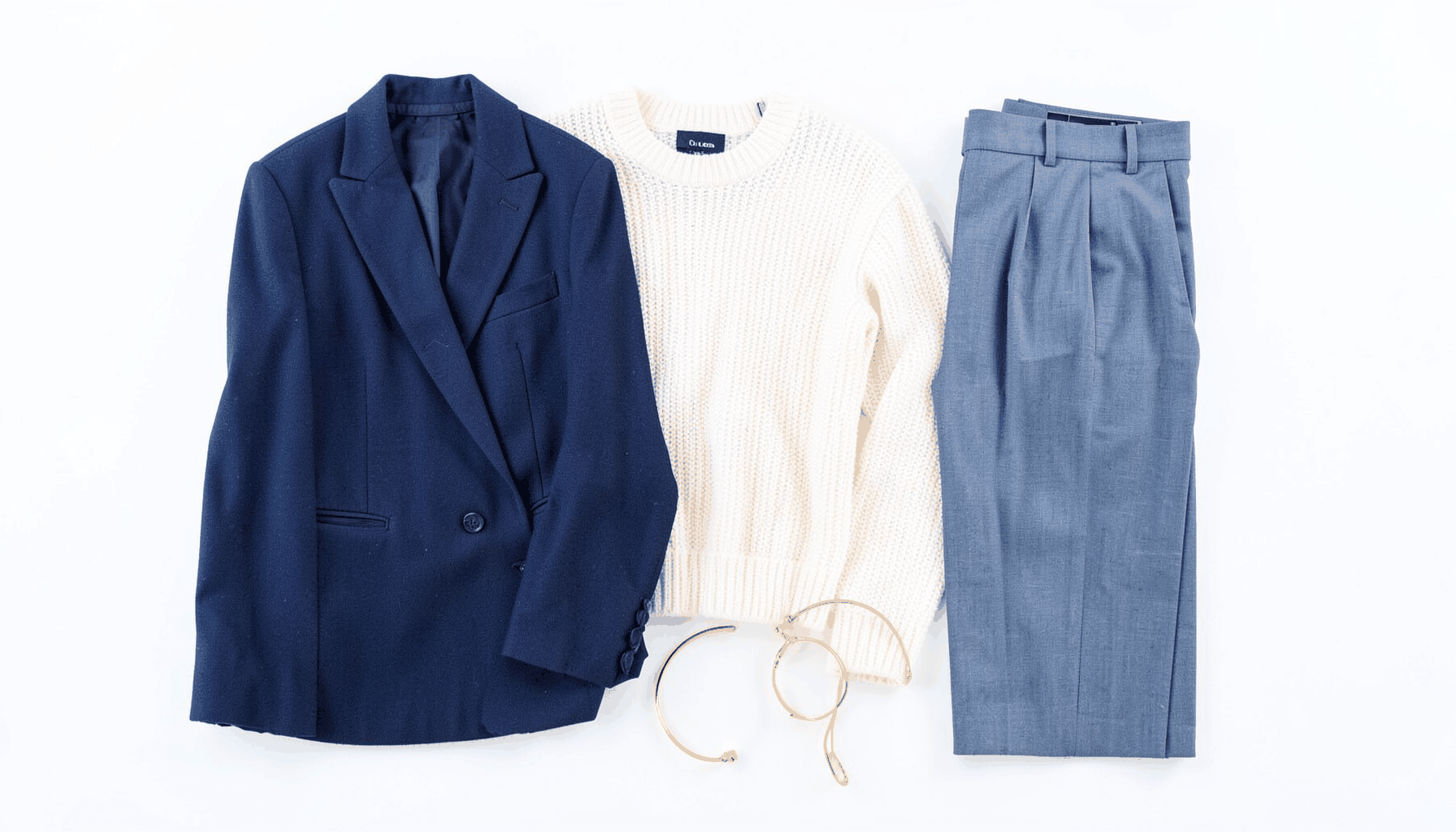
The duffle coat's relaxed silhouette lends itself to the casual layering that defines much of Australian menswear and womenswear. Over a fine merino jumper and raw denim, it creates a look that moves easily from a weekend market in Fitzroy to a coastal walk along the Great Ocean Road. For office settings, it can be worn over a shirt and tailored pants without appearing overly formal or too rugged.
Footwear choices follow similar logic. Leather brogues or Chelsea boots ground the outfit in city contexts, while work boots or canvas sneakers suit outdoor pursuits. The duffle's neutral palette, typically in camel, navy, olive, or charcoal, allows it to coordinate with the earthy tones favoured in regional Australian fashion, as well as the bolder colours seen in coastal communities.
Accessories such as a wool scarf, leather gloves, and a felt hat complete the ensemble. These additions serve functional purposes but also reflect the practical, unshowy aesthetic that many Australians associate with well-considered dressing. The result is a wardrobe that feels prepared for both the climate and the lifestyle.
Caring for a canvas-lined duffle coat
Proper care extends the life of a canvas-backed wool coat considerably. Brushing with a soft horsehair garment brush after each wear removes surface dust and prevents particles from settling into the fibres. Spot cleaning with a damp cloth addresses small marks before they become permanent, while seasonal airing on a wide wooden hanger keeps the shape intact.
For deeper cleaning, professional dry cleaning once or twice a year is usually sufficient. Frequent washing can strip the wool of its natural oils and weaken the canvas backing. Storing the coat in a breathable cotton garment bag during the warmer months protects it from dust and moths without trapping humidity, which matters in coastal cities like Sydney where salt air can affect stored fabrics.
Repairing small issues promptly also preserves the garment. Loose toggles, frayed buttonholes, and minor seam separations can be addressed by a tailor before they develop into larger problems. A well-maintained duffle can last for decades, often becoming a more personal piece as the wool softens and the canvas conforms to the wearer's posture over years of use.
Investment value and wardrobe longevity
A canvas-lined duffle coat represents a meaningful investment, but one that pays dividends over many seasons. The combination of wool and canvas resists the wear patterns that shorten the lifespan of cheaper alternatives, and the classic design ensures the coat remains wearable as trends shift. Buyers who select a neutral colour and a versatile length find that the piece integrates easily with existing wardrobes rather than requiring constant reinvention.
Brands stocked at Focarth emphasise these qualities, favouring makers known for their construction standards and material integrity. A duffle from such a range typically costs more upfront than a fast-fashion alternative, yet the cost per wear drops sharply once the coat is worn regularly across multiple winters. For those building a smaller, more intentional wardrobe, a single reliable coat often outperforms several disposable ones.
The environmental argument follows similar logic. Garments that last longer reduce the demand for new production and keep textile waste out of landfill. Australian consumers are increasingly aware of these considerations, and the shift toward considered purchasing reflects a broader interest in sustainability that aligns with the duffle coat's enduring appeal.
Consider these elements when selecting a winter duffle:
- Wool weight suitable for your regional climate, typically between 600 and 800 grams per metre
- Canvas lining that covers the full body rather than just the shoulders
- Toggles secured with leather or rope fastenings for durability
- Reinforced stitching at stress points, including pockets and armholes
- A length that suits your height and typical layering choices
Styling combinations for cooler Australian days:
- Merino roll neck, selvedge denim, and chestnut brogues for city evenings
- Heavy jumper, chinos, and rubber-soled boots for weekend outings
- Button-down shirt, unstructured blazer, and canvas sneakers for casual offices
- Long-sleeve tee, track pants, and work boots for outdoor tasks
Find a duffle coat that matches your climate and your standards by exploring the carefully selected range at Focarth, where heritage construction and everyday practicality come together in every piece.