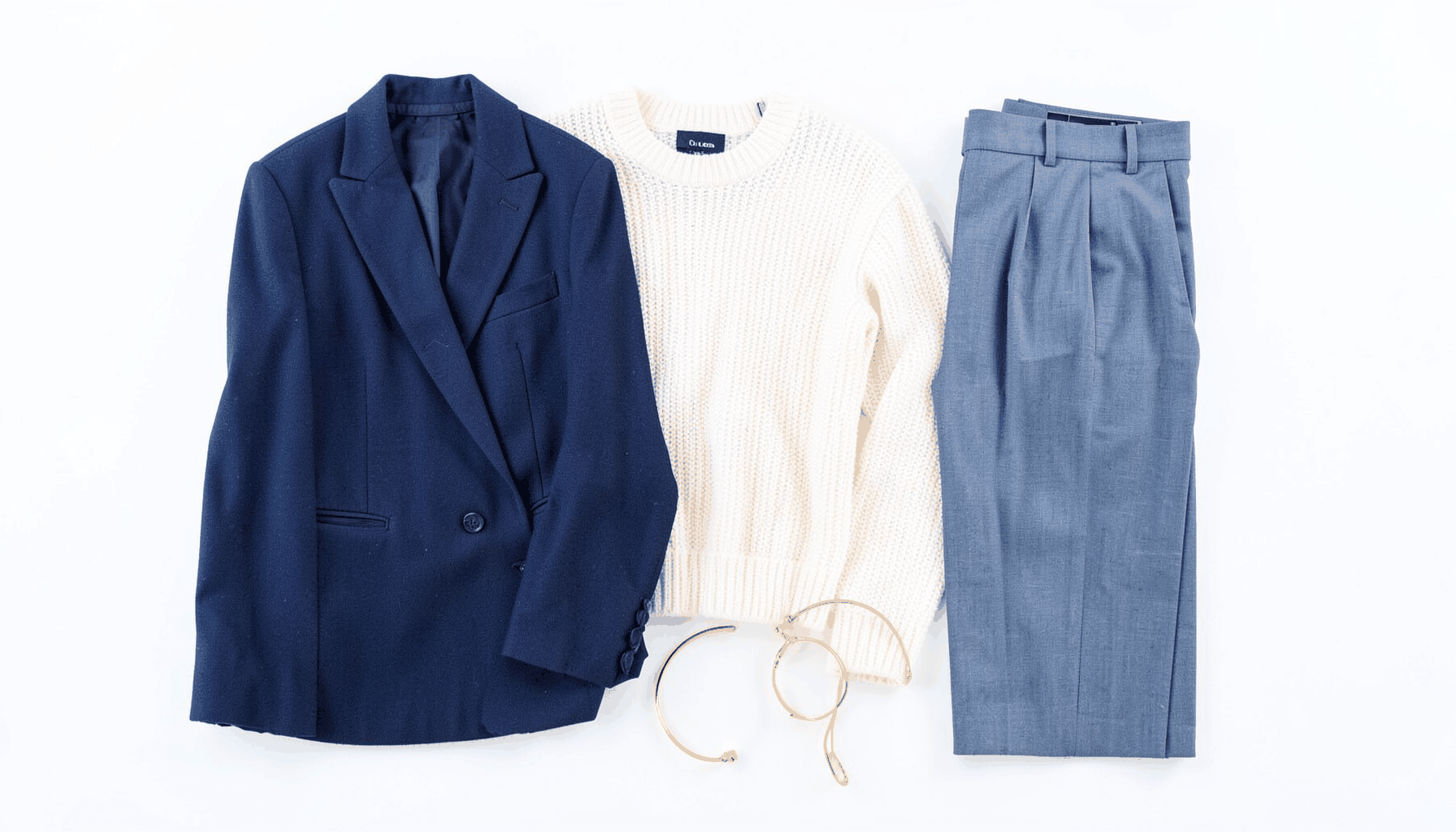
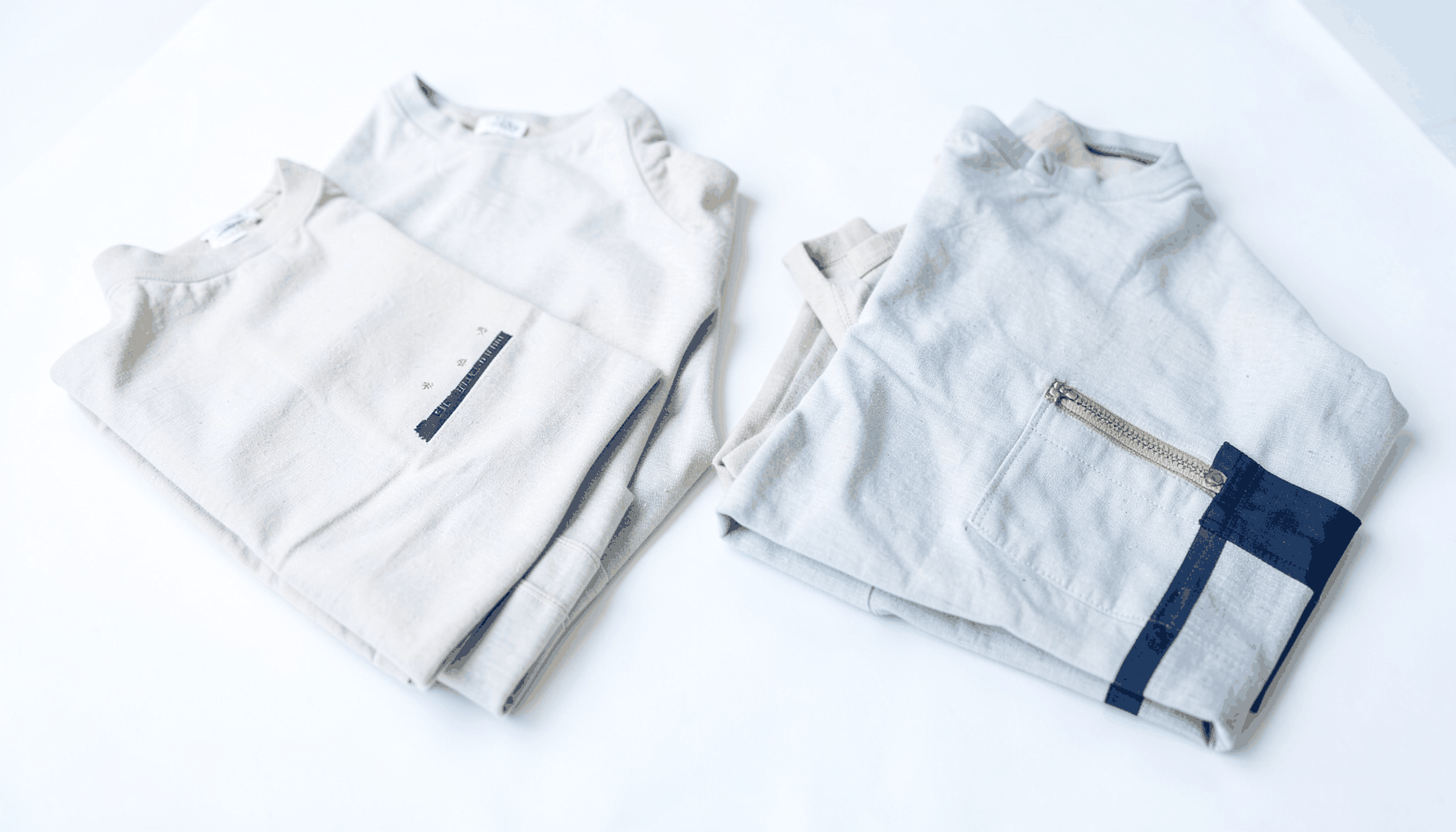
Why a moleskin waistcoat delivers warmth without the bulk
A waistcoat is one of those old-school pieces that quietly does a great deal of work in a layered outfit, and when it is cut from dense moleskin it becomes something else entirely. The fabric is heavy enough to hold body heat close to the torso, yet it has no sleeves, so the arms stay free and the overall feel is snug rather than weighed down. For anyone building a wardrobe around heritage pieces that age well, a moleskin waistcoat is the kind of garment that earns its spot year after year, moving from a brisk country morning to a casual evening out without ever looking out of place.
In Australia, where winter can drift from a mild Sydney afternoon to a freezing Ballarat dawn in the same week, the appeal of a sleeveless insulating layer is hard to overstate. It slips easily under an overcoat on the coldest mornings, sits comfortably over a knit when the sun breaks through, and stows in a bag without much fuss. For people who commute through temperature swings or head out for a Saturday market run in the colder months, it solves a problem that a chunky sweater rarely does: warm core, free arms, no overheating when the day turns.
The fabric behind the comfort
Moleskin is a densely woven cotton that has been sheared and brushed on one side to produce a very short, velvety pile. The brushing is what gives the cloth its distinctive peach-skin feel and, more importantly, what allows it to trap a layer of still air against the body. Cotton on its own is not a particularly warm fibre, but the structure of moleskin turns it into something closer to a soft shell. The tight weave also blocks wind better than most knit fabrics, so even a thin layer of moleskin stops the creeping chill that gets in around the chest on a windy morning in the Adelaide Hills.
Because the cloth is brushed rather than coated, it breathes. A waistcoat made from moleskin will not leave you clammy when you duck indoors from the cold, the way a synthetic puffer gilet can. That breathability is the secret to its comfort across a long day. It warms you on the walk to the tram, stays comfortable through a warm café stop, and is still doing its job when you step back outside into the falling temperature of late afternoon. The fabric softens and develops a gentle nap with wear, which is part of the appeal for anyone who likes clothing that visibly improves over the years.
Why a waistcoat traps heat without weighing you down
Body heat is not distributed evenly. The torso is where the majority of it is produced, and the arms and legs can tolerate a little more variation. A waistcoat targets that warm core directly, sitting over the chest, back and kidneys, which are the areas most exposed to a cold draft and most responsible for the general feeling of being cold. Warming the core sends the message to the rest of the body that all is well, so the hands feel warmer, the shoulders relax, and the urge to pull up the collar disappears.
A sleeveless garment also avoids the trade-off that a full jacket imposes. There is no constriction around the shoulders, no bunching at the elbows, no extra fabric flapping at the cuffs. That freedom matters more than people expect. It is the difference between being warm and feeling bundled up. For tasks that involve any kind of movement — driving out to a winery on the Mornington Peninsula, walking the dog through a frosty suburban park, hauling bags in from the car on a Sunday — a waistcoat lets you do those things without ever feeling like you have put on a second skin.
A versatile layer for transitional weather
The middle of the Australian winter is short, but the shoulders of the season are long. Autumn drags on through April and May in Melbourne, and spring can hold a bite well into October in Hobart. These are the months when a heavy overcoat feels like too much, but a shirt alone is not enough. A moleskin waistcoat slots exactly into that gap. Worn over a cotton oxford with the sleeves of an overshirt peeking out at the cuffs, it gives just enough warmth for a chilly morning at the Salamanca Market and looks tidy enough for lunch afterwards.
It also works the other way. As the day warms, the waistcoat can come off and be folded once into a tote or a backpack without creasing in any serious way. A knit would be bulkier; a down vest would still be too warm. Moleskin holds its shape because the weave is tight and the cloth has body. Pulled back on for the drive home as the sun drops, it does the same job it did in the morning, and the day has not required any wardrobe changes that might have looked odd in a public setting.
Heritage tailoring and quiet construction
A moleskin waistcoat is at its best when it is built like the country tailoring that gave us the garment in the first place. Look for fully lined interiors, working buttonholes, generous back adjuster straps, and pockets that sit at a comfortable hand height rather than at the hip. Barbour, a name that sits naturally in the Focarth line-up, has a long association with this kind of piece. Their moleskin waistcoats are cut in the classic country silhouette: shaped through the body, long enough to cover the waistband of a pair of trousers, and finished with that slightly waxed, lived-in feel that the brand is known for.
Details like leather-trimmed pockets, tin buttons and contrast lining on the back are not decorative excess. They are signals that the maker understands how the garment will be used. The back adjuster is the most underrated feature on any waistcoat, because it lets you wear the piece over a heavy knit one day and a light jumper the next without changing the fit. When these small things are right, the waistcoat becomes a piece of clothing that you simply forget you are wearing, which is the highest praise any everyday garment can earn.
Where it fits in an Australian wardrobe
Australians, by habit, do not dress for the depths of winter very often. The country sits in a mild band where the coldest mornings are followed by mild afternoons, and where central heating is less common than it is in older parts of Europe or North America. A house in the inner west of Sydney, or in a weatherboard in Brunswick, might rely on a single gas heater and a closed-off lounge room to get through a winter night. The clothing has to do more of the work, and the right pieces get worn over and over.
A moleskin waistcoat fits that kind of life particularly well. It can be the first thing you pull on when you get out of bed on a cold Canberra morning, worn over pyjamas with a pair of wool socks while the kettle boils. It can be the third layer on a Saturday spent driving out to a market in regional Victoria, sitting over a flannel shirt and under a heavier jacket. It can also be the only layer needed for an arvo beer at the pub, when the heater is on but you still want something on your back. Few garments cover that range, and fewer still do it in a cloth that will still be in service a decade from now.
Looking after it for the long run
- Brush the surface gently with a soft clothes brush after each wear to lift dust and revive the nap.
- Hang on a wide wooden or padded hanger so the shoulders and back panel keep their shape.
- Keep the waistcoat away from the tumble dryer and direct heat, which can crush the brushed pile.
- Spot-clean small marks with a damp cloth rather than sending the whole garment to the cleaners.
- Store on an open shelf or hanging in the wardrobe instead of compressed under heavier coats.
- Rotate it into the wardrobe early in autumn and keep it in service through late spring for the most wear.
Browse the Focarth edit of moleskin waistcoats, including the classic country cuts from Barbour and other heritage makers, and slot one into a layering rotation that handles a Ballarat frost as easily as a Mildura morning.